Where we helped titans pivot.
BRITISH PETROLEUM

SV&O
Self verification and oversight
Engage beginners, attract experts.
Designing a safety system for all oil rigs and ensuring users instantly understand the correct workflows was critical. Legacy habits posed challenges, as older workers followed different manual processes than newer generations.
SV&O became a key tool in helping prevent disasters like the Deepwater Horizon oil spill from ever happening again.
What I was walking into.
The original product was designed exclusively for desktop use and targeted a very specific niche audience. While it offered extensive functionality, the interface presented users with an overwhelming amount of information. Data was displayed using unconventional color coding, which was not intuitive and often led to confusion.
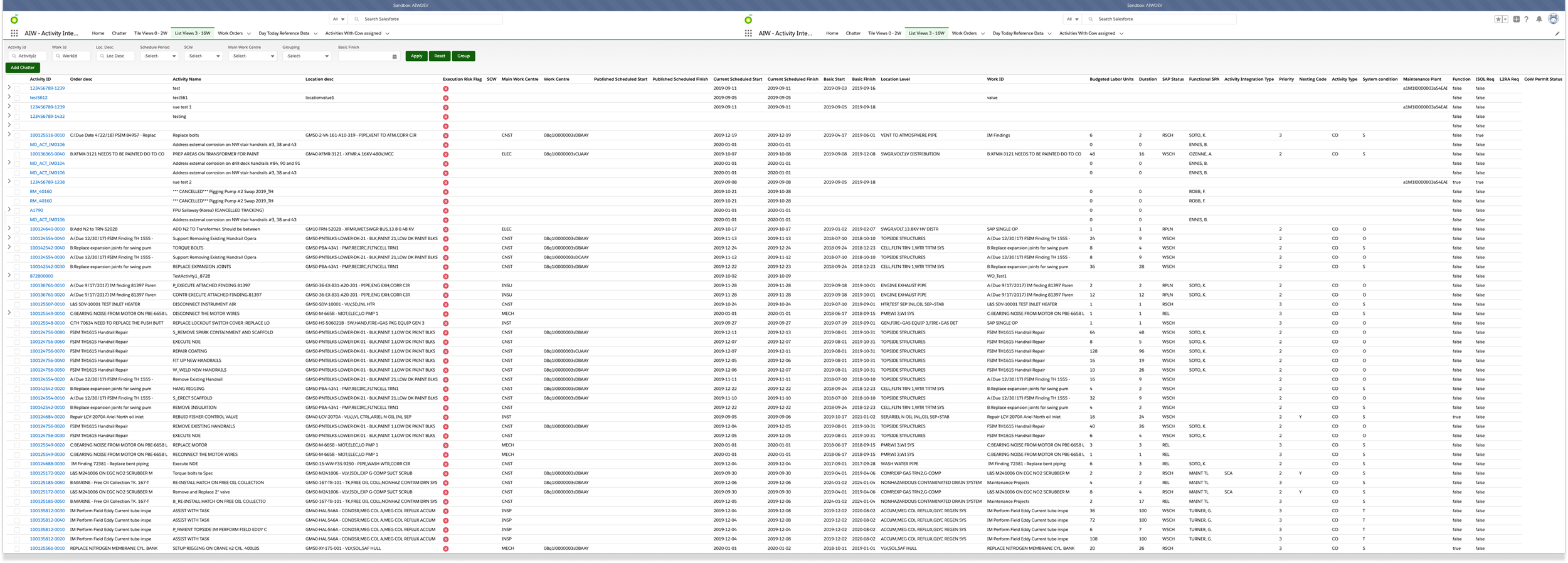
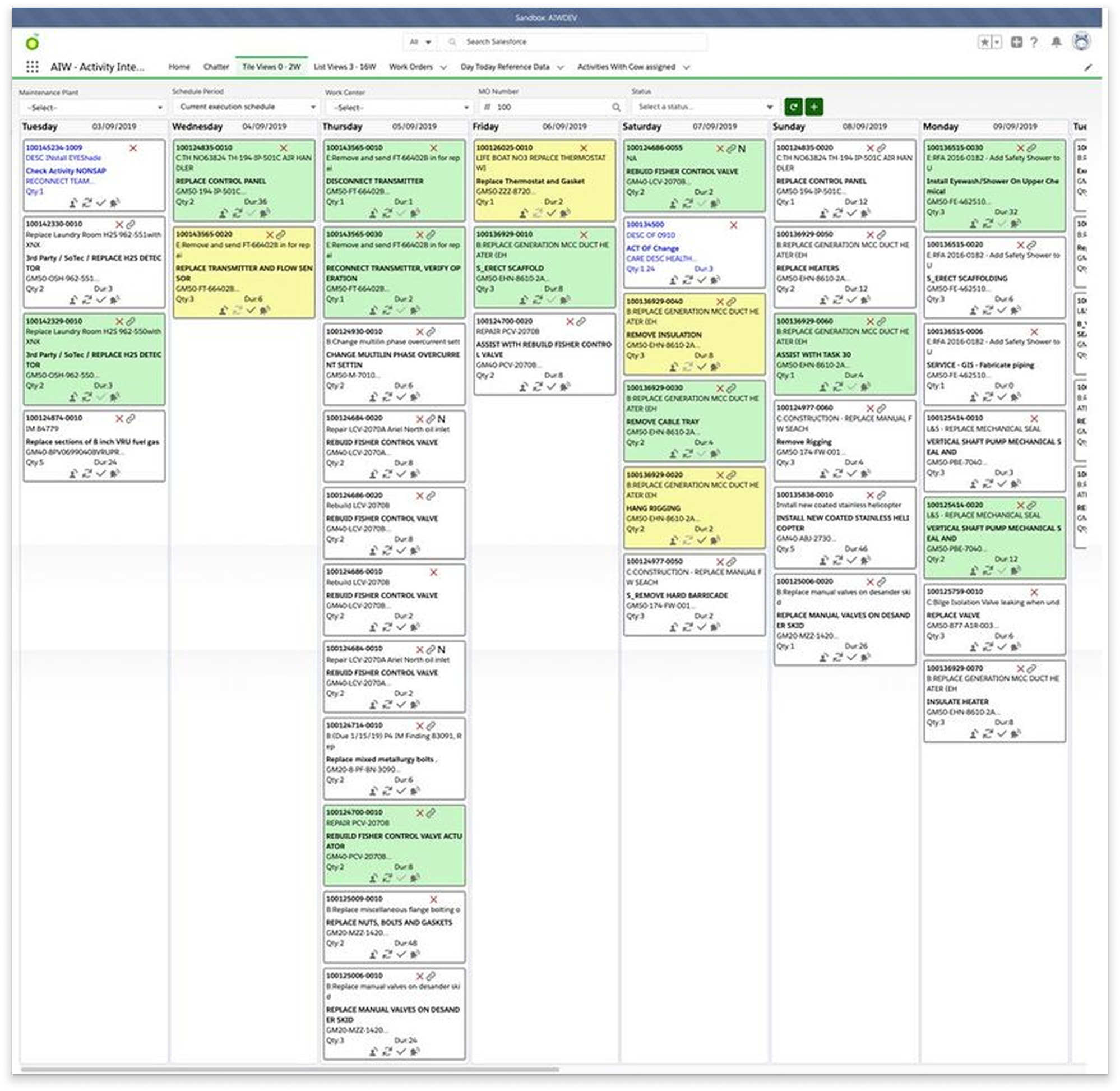
Legacy was an issue because older users had a different way of manually working compared to the newer generation.
We needed to think like an oil rig worker
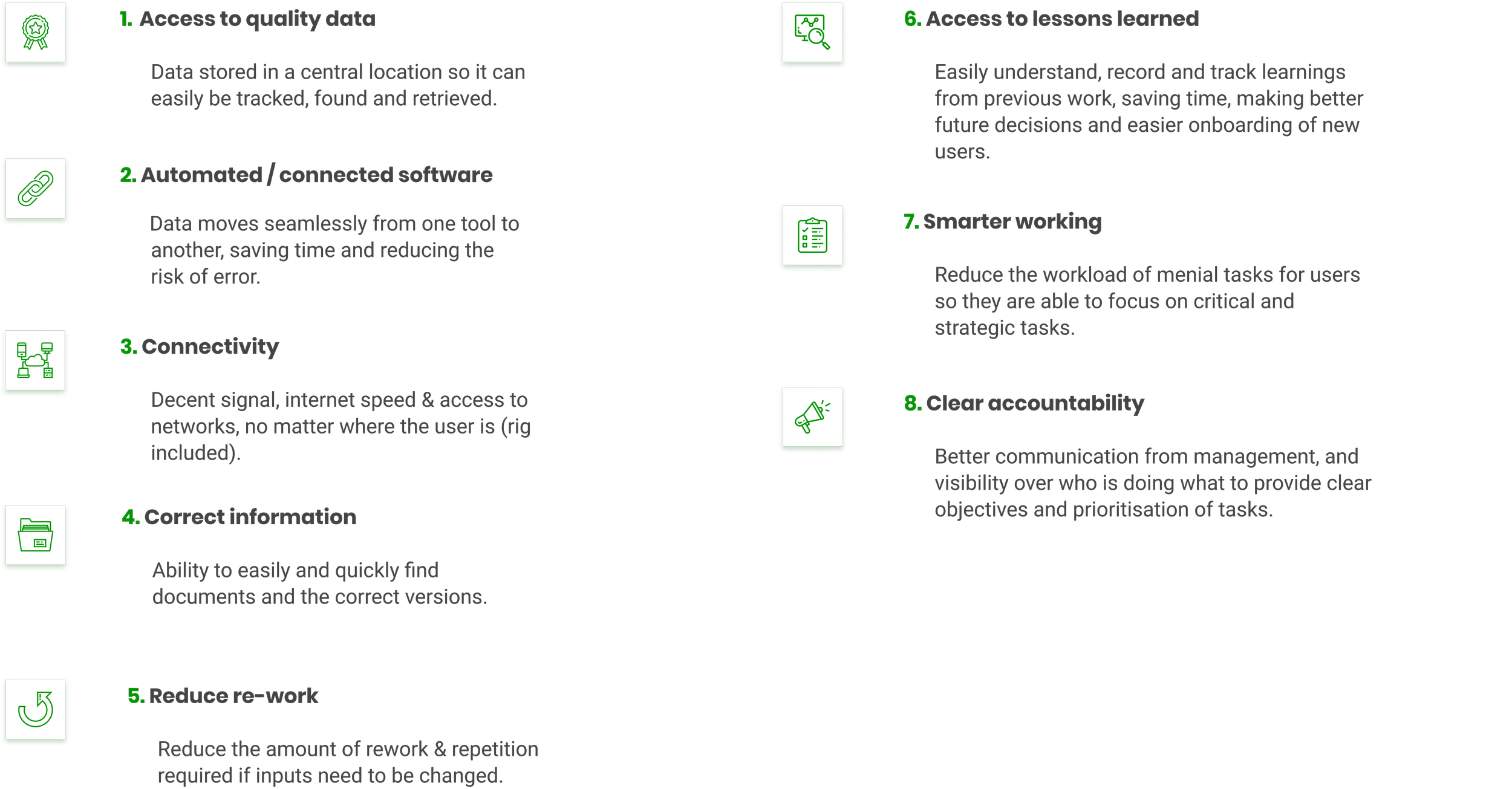
This was a unique project with users who were by far some of the most interesting and unique people I had the pleasure to work with. Their mindset and goals were so different compared to other industries. The care for safety was on another level, but we needed to distil what safety meant and how we could make it easily digestible for those on rigs.
User needs
Over time it was clear what the users needed and by priority. I even had calls with people in the North Sea, working on almost dial up connections to understand what their day to day looked like.
UX Mapping
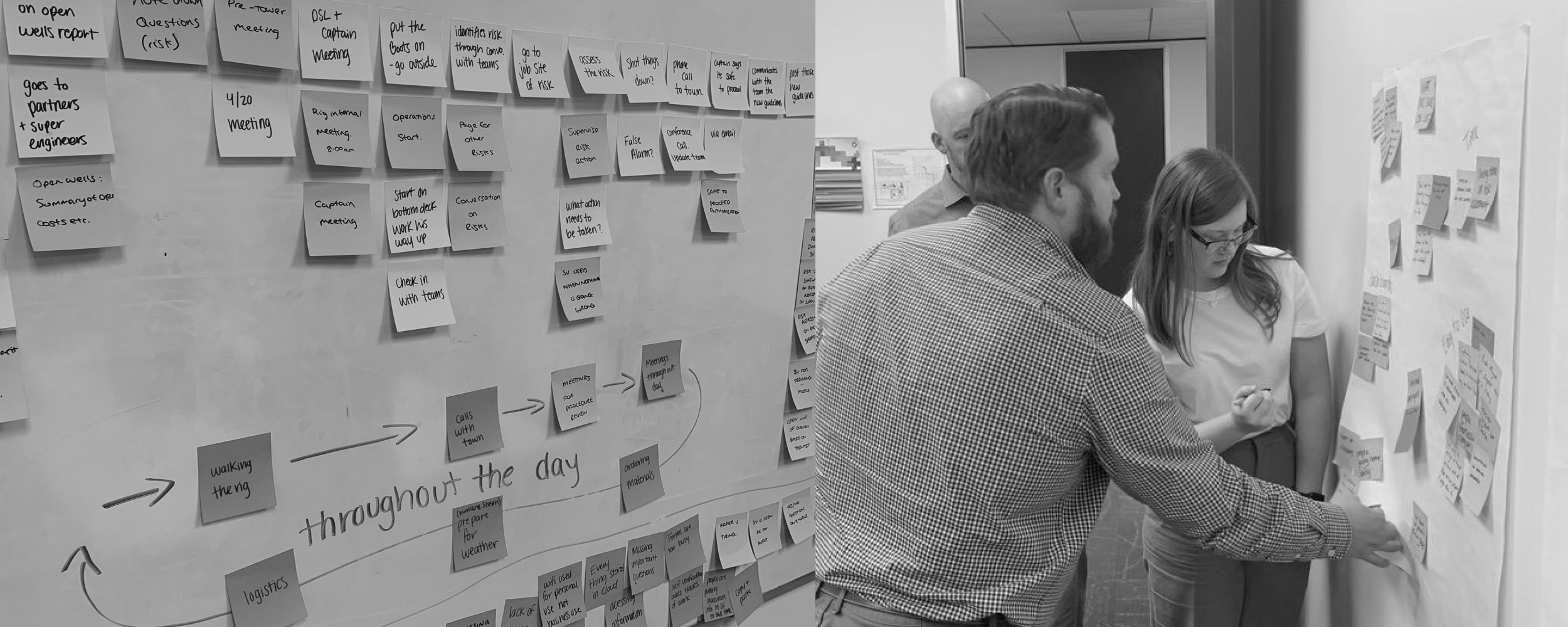
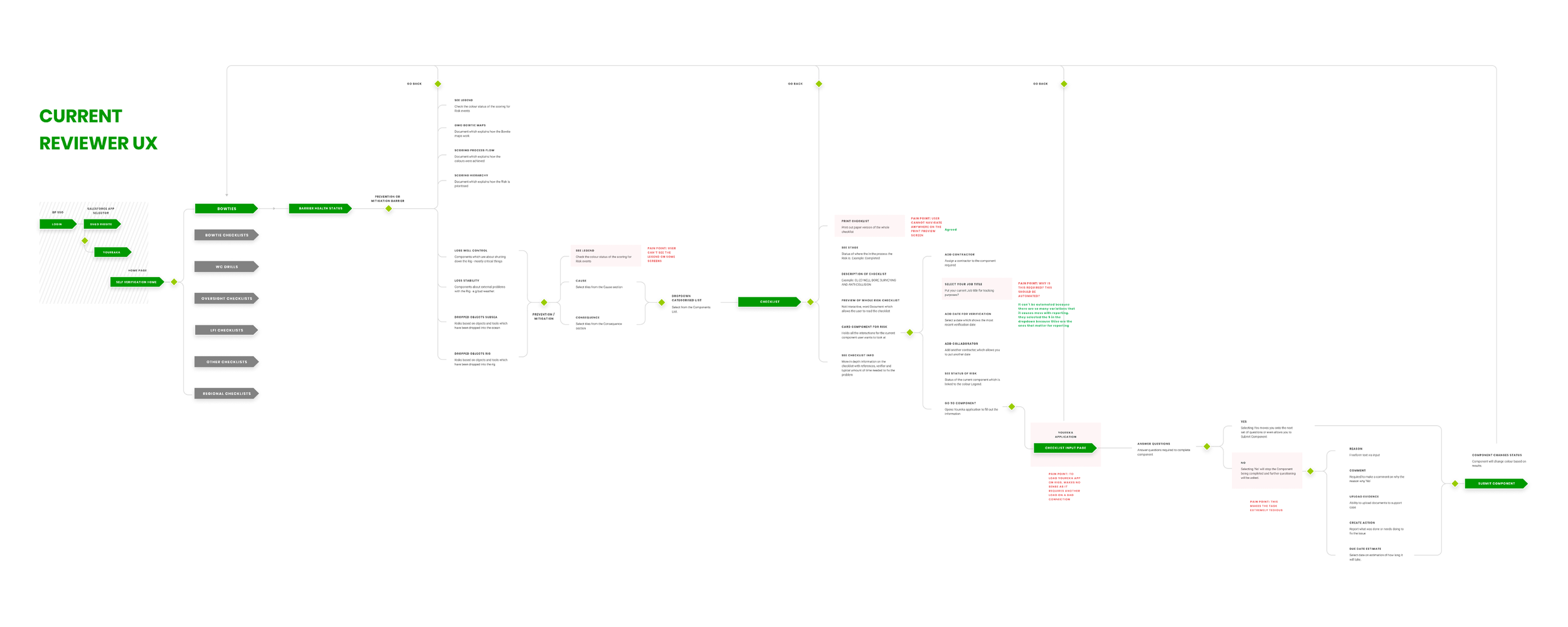
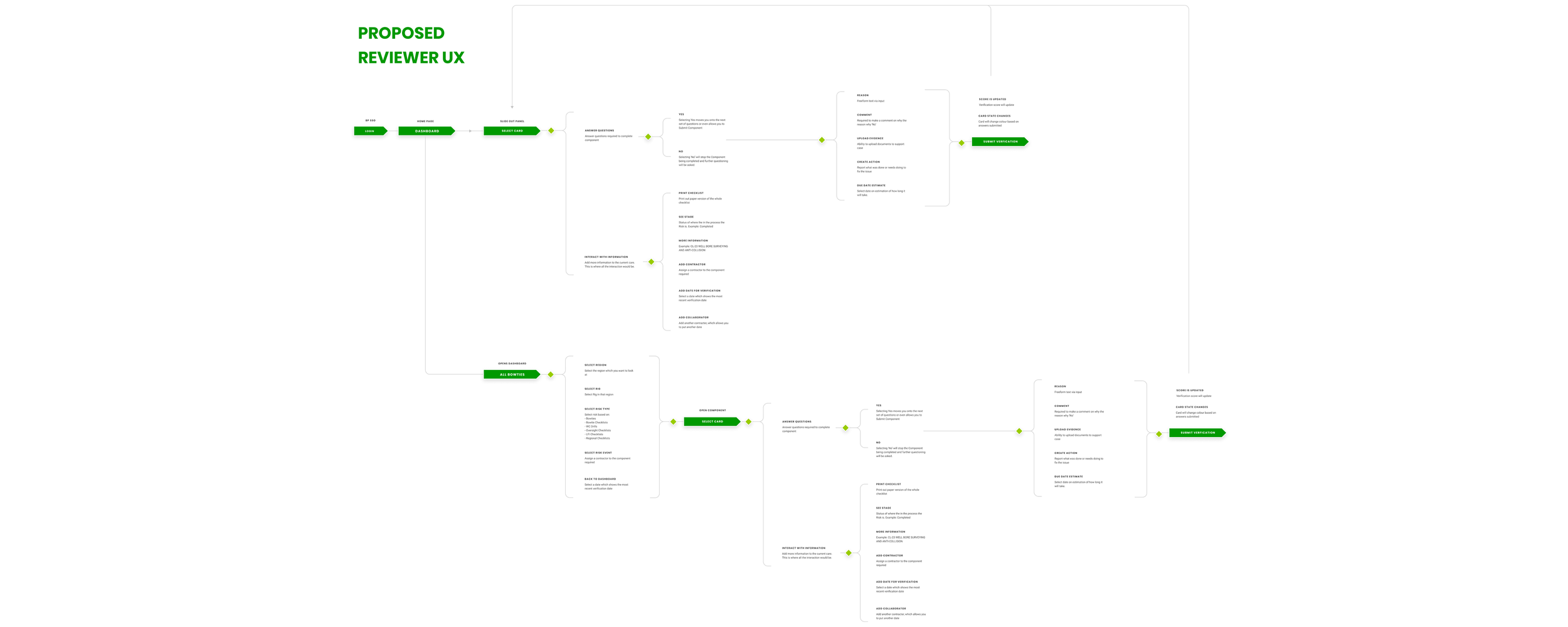
As part of the redesign process, I conducted a detailed mapping of pain points across the user journey. This exercise aimed to identify exactly where users were encountering friction and where design interventions could create the most impact.
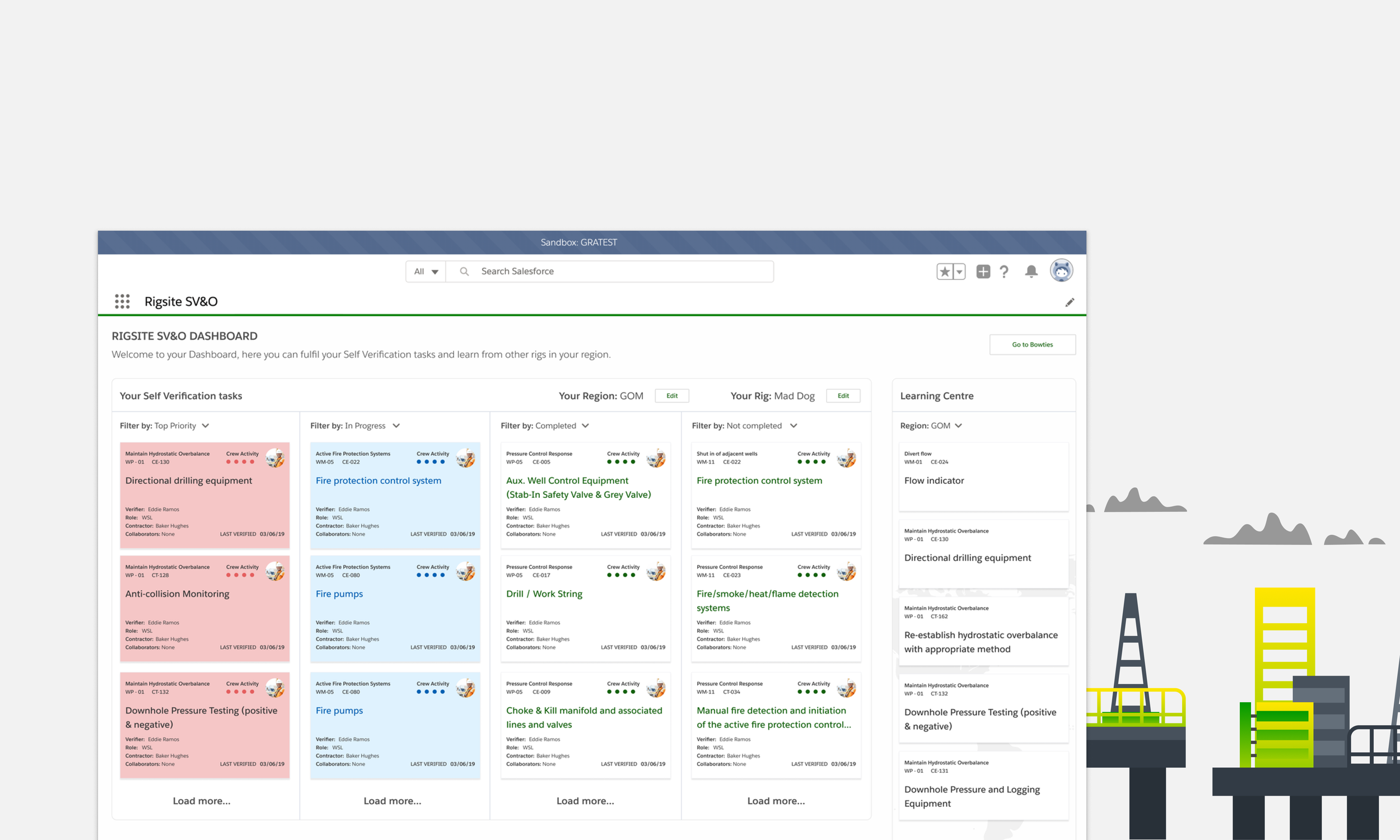
Some sketches
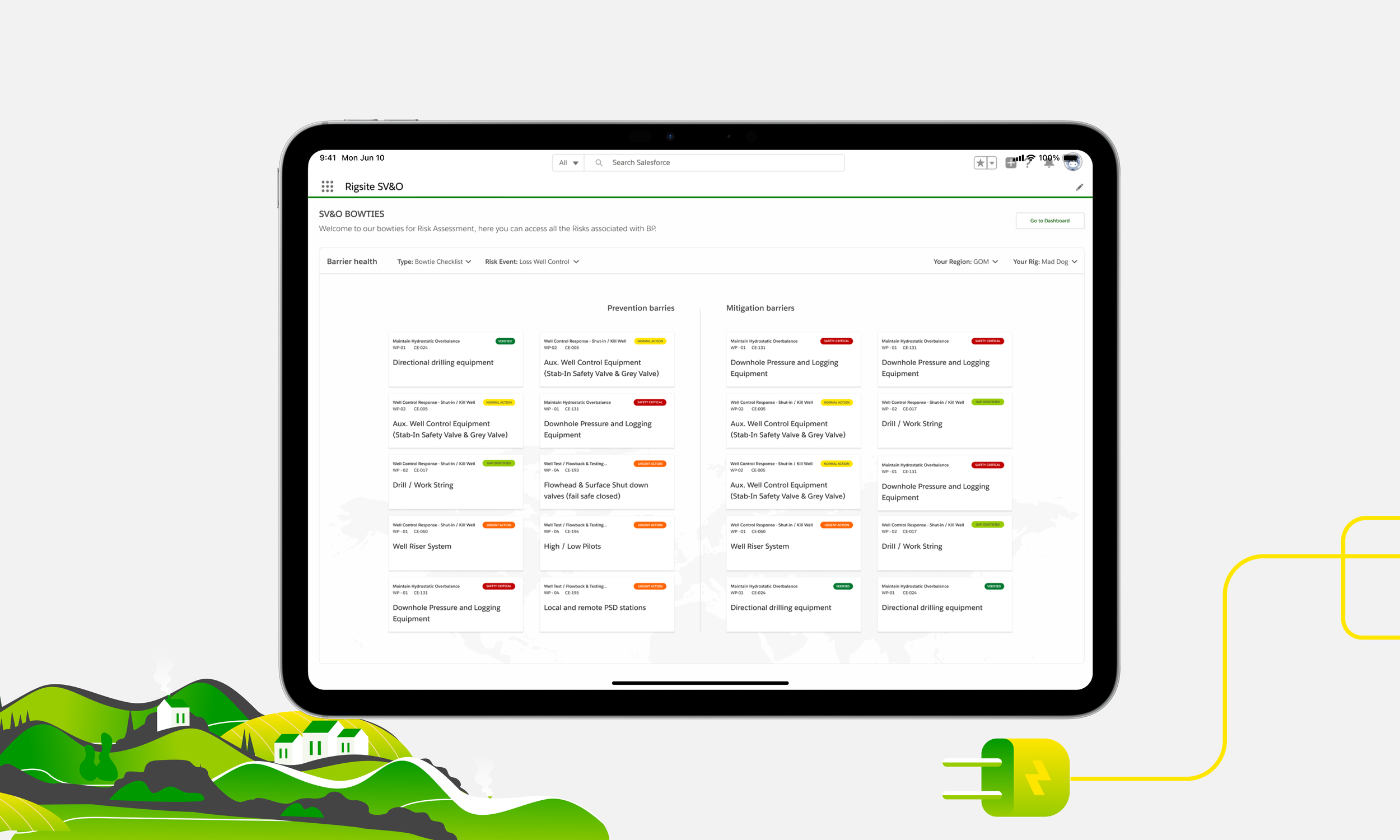
Following feedback on the original desktop only tool, I focused on making the dashboard cleaner, more intuitive, and easier to digest for users. The goal was to transform a previously overwhelming interface into a more accessible and user friendly experience.
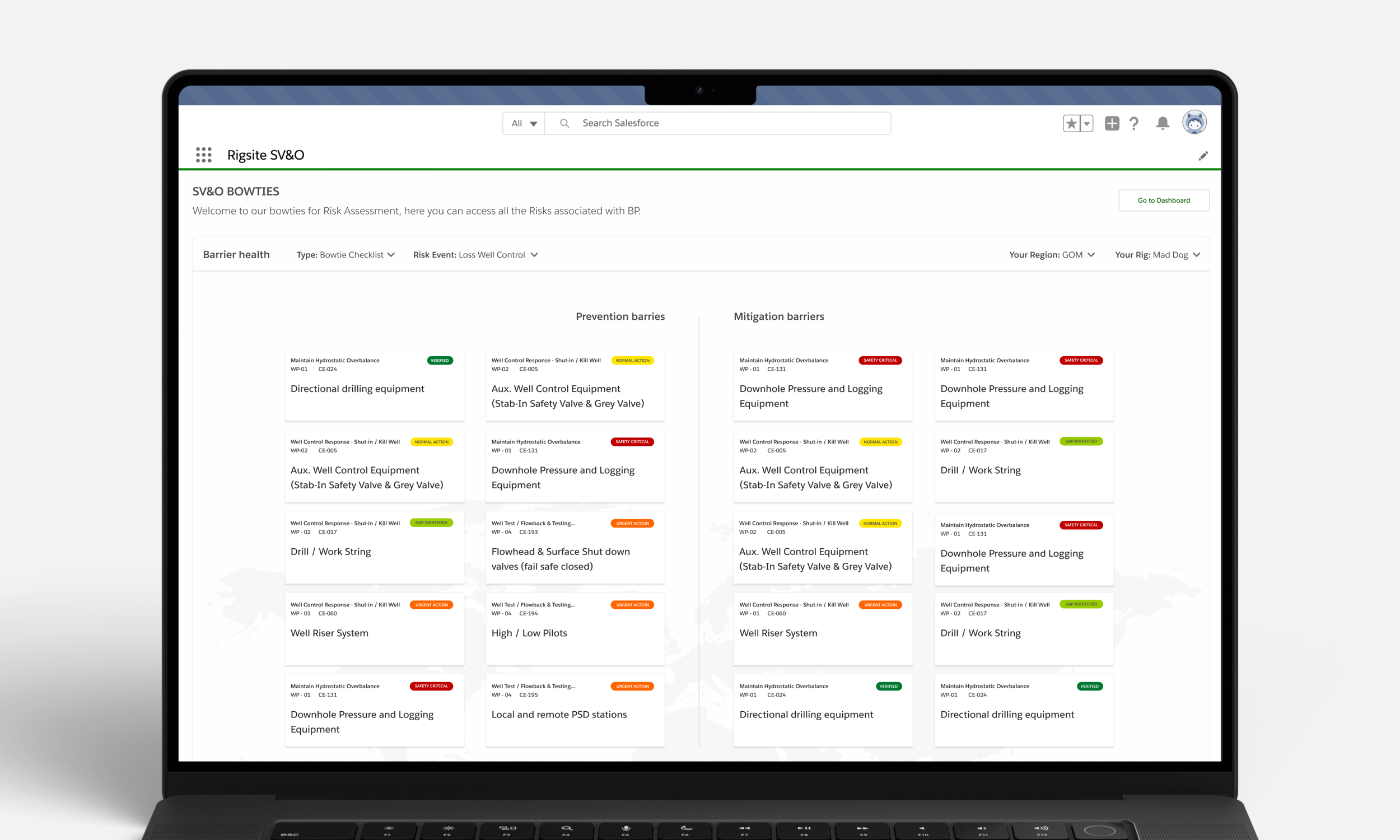
Bowties visualised to show prevention and mitigation
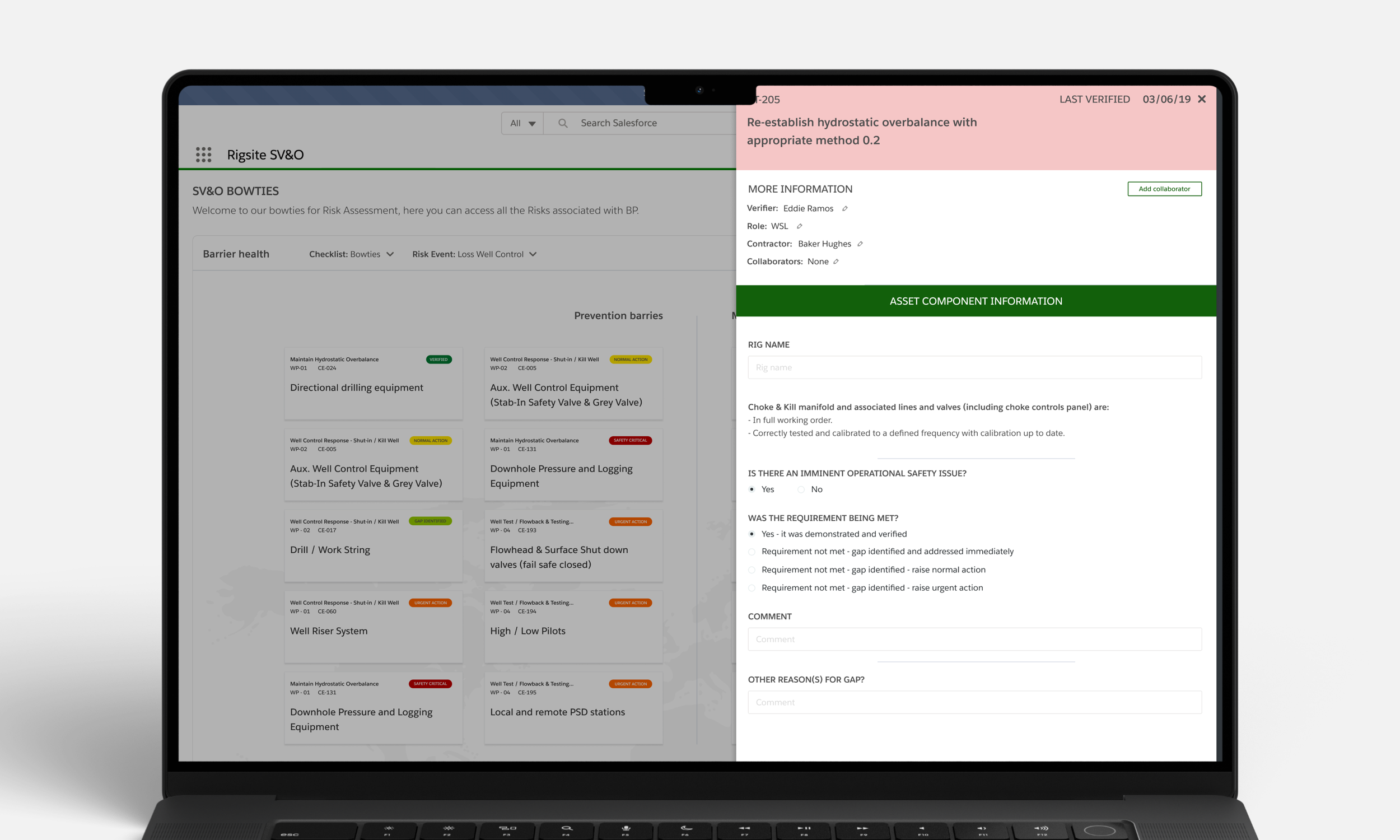
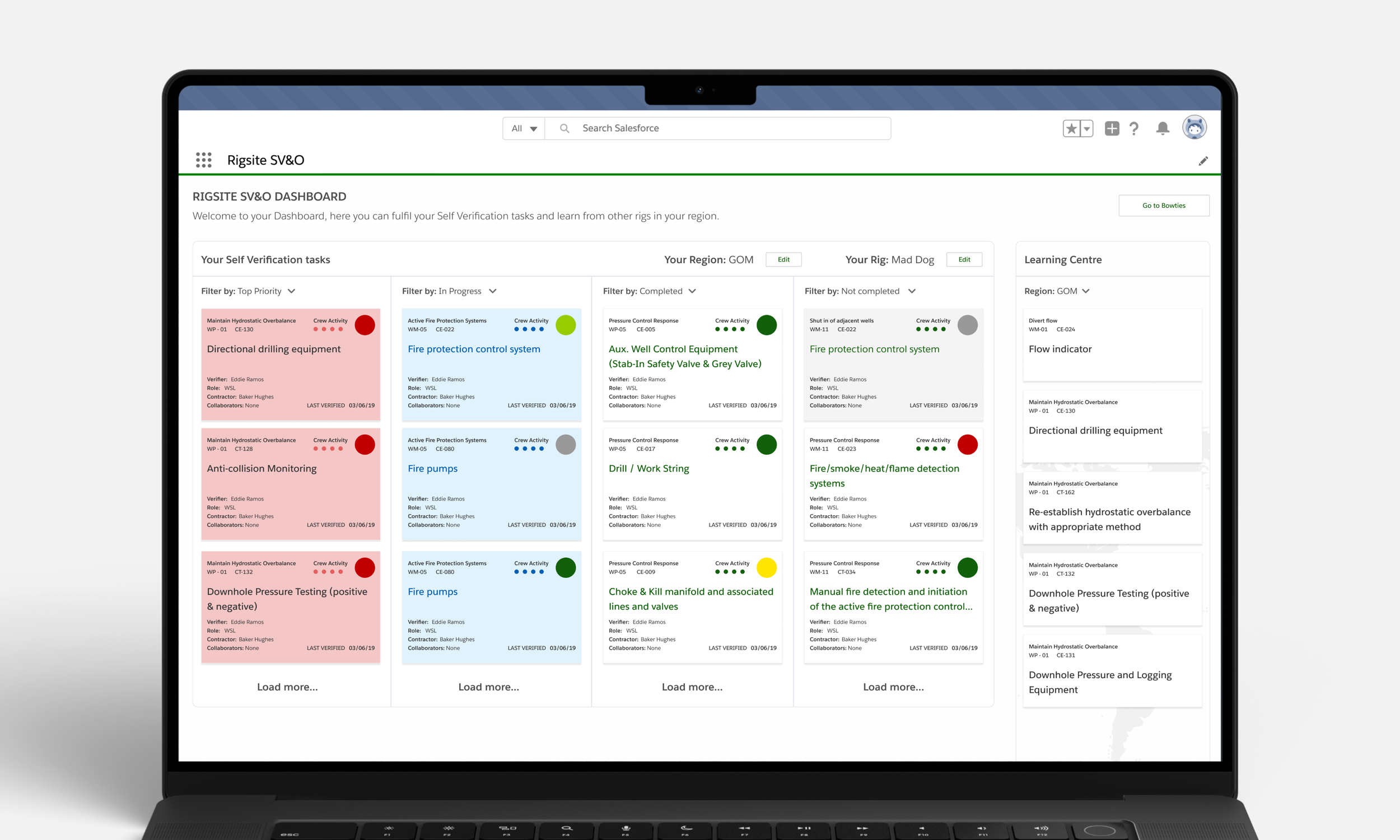
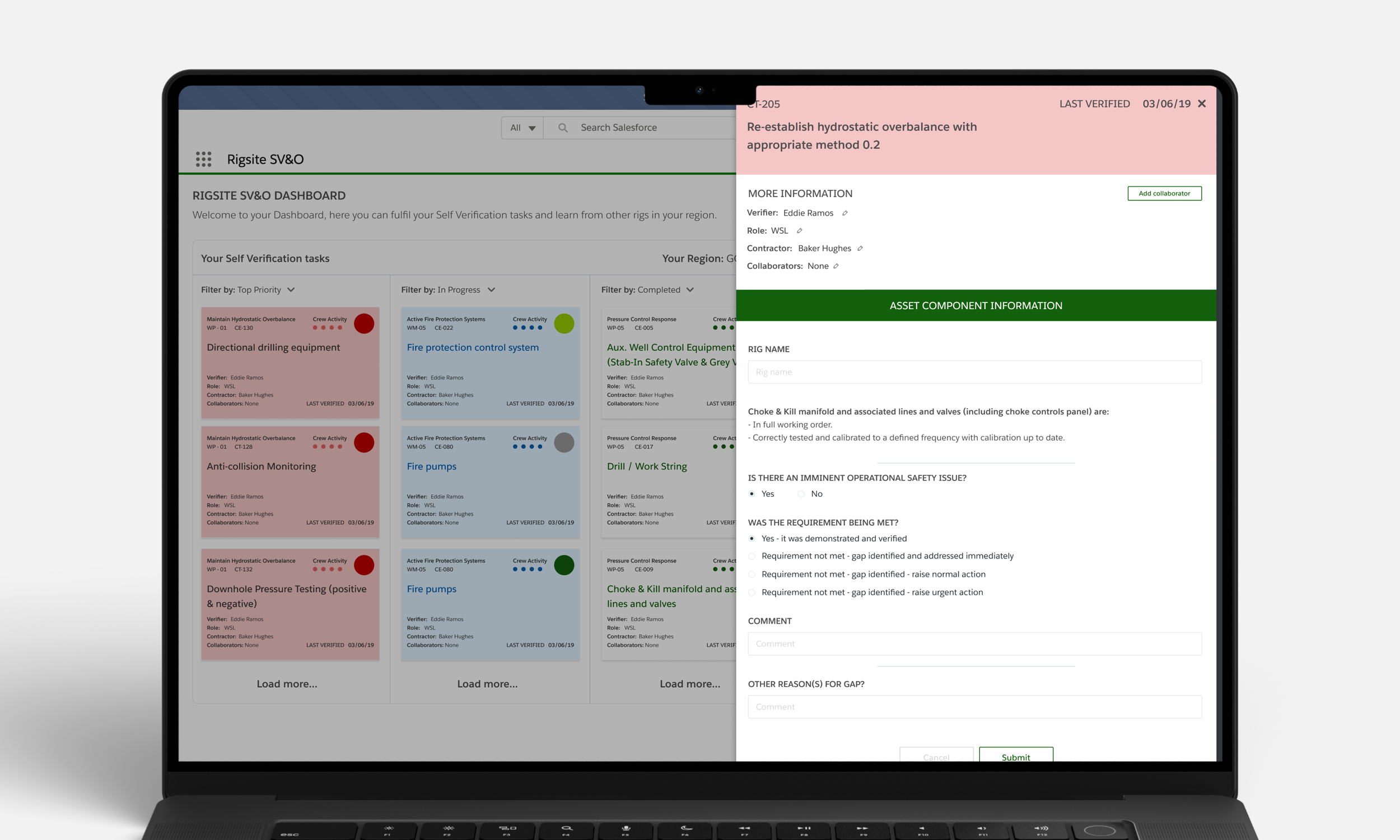
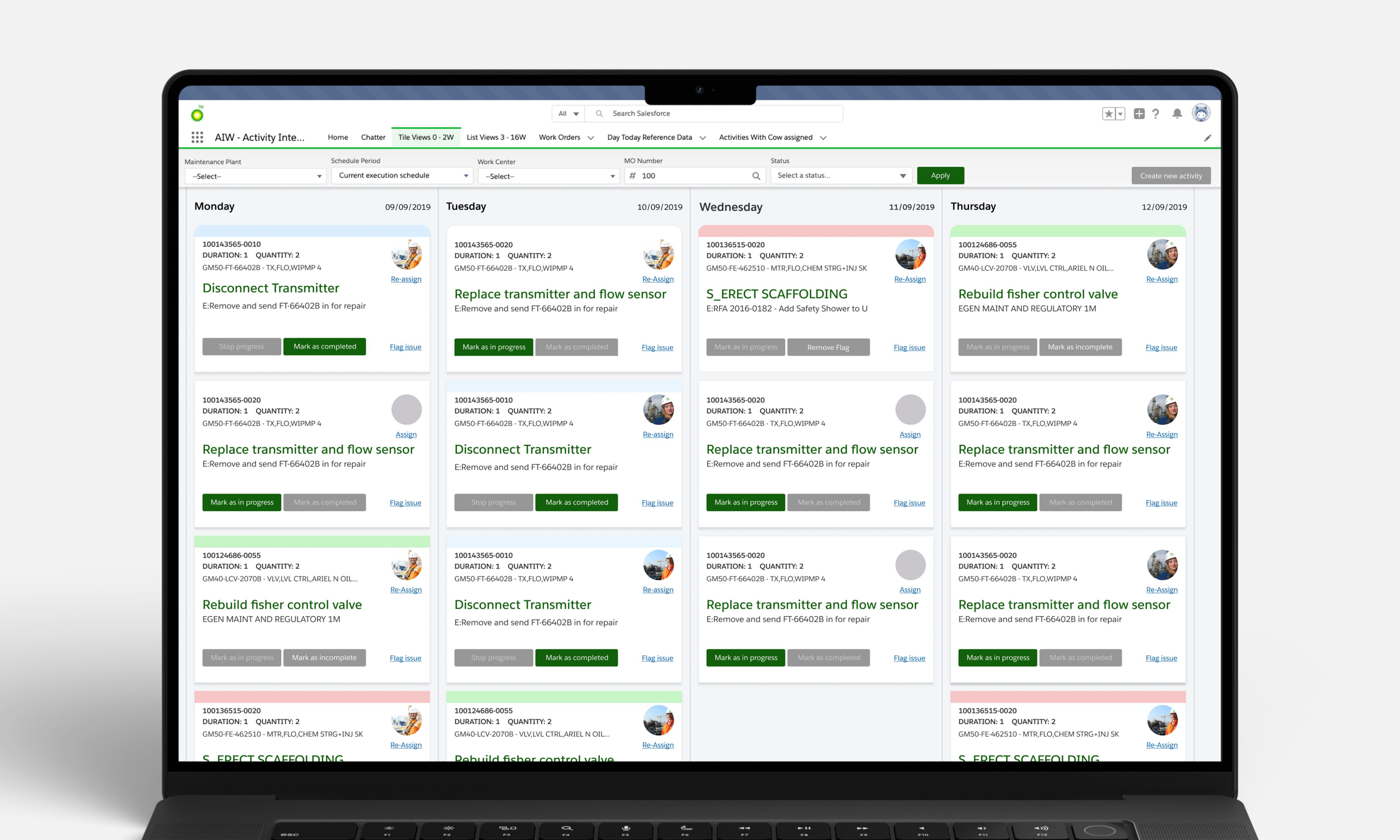

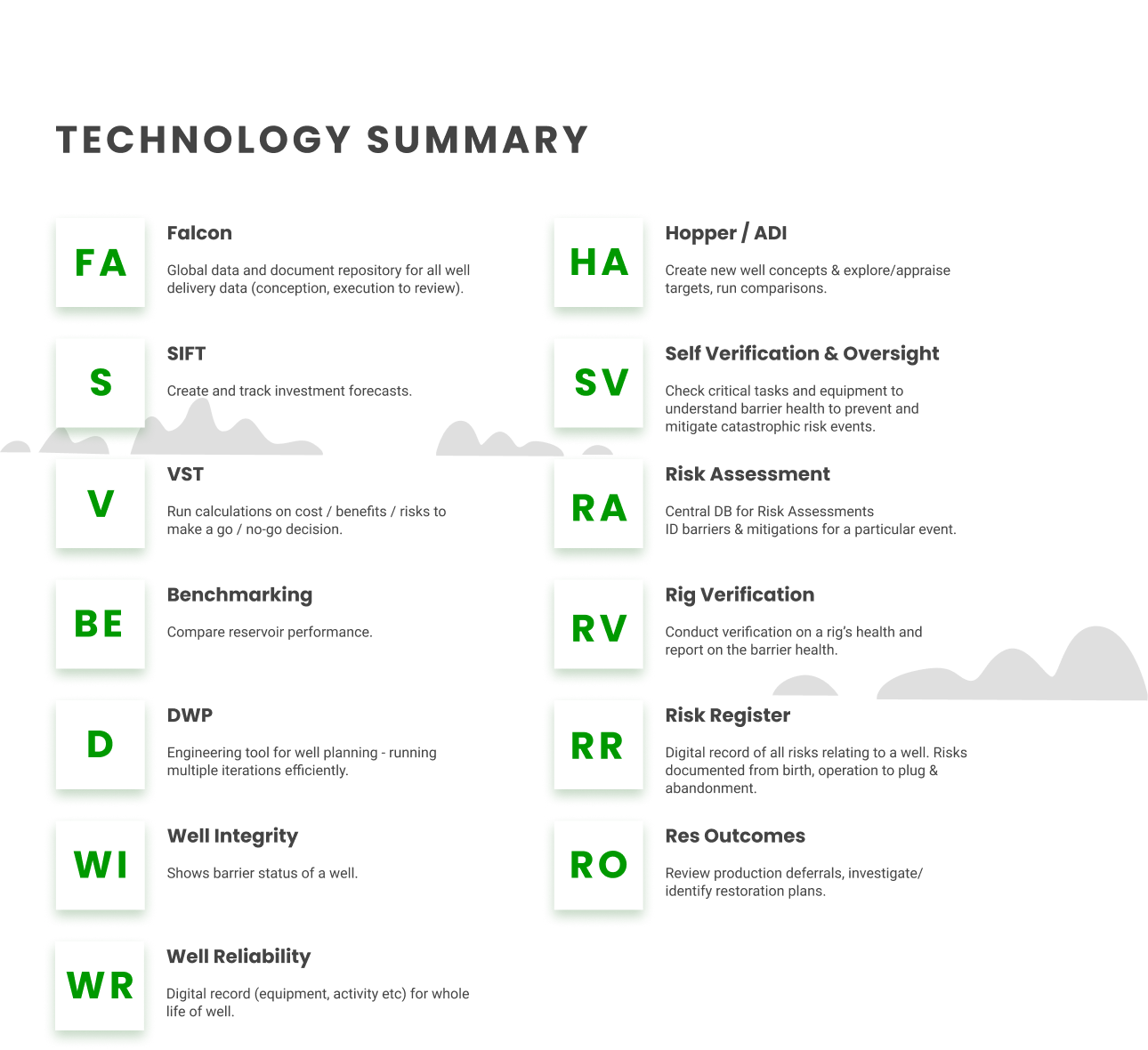
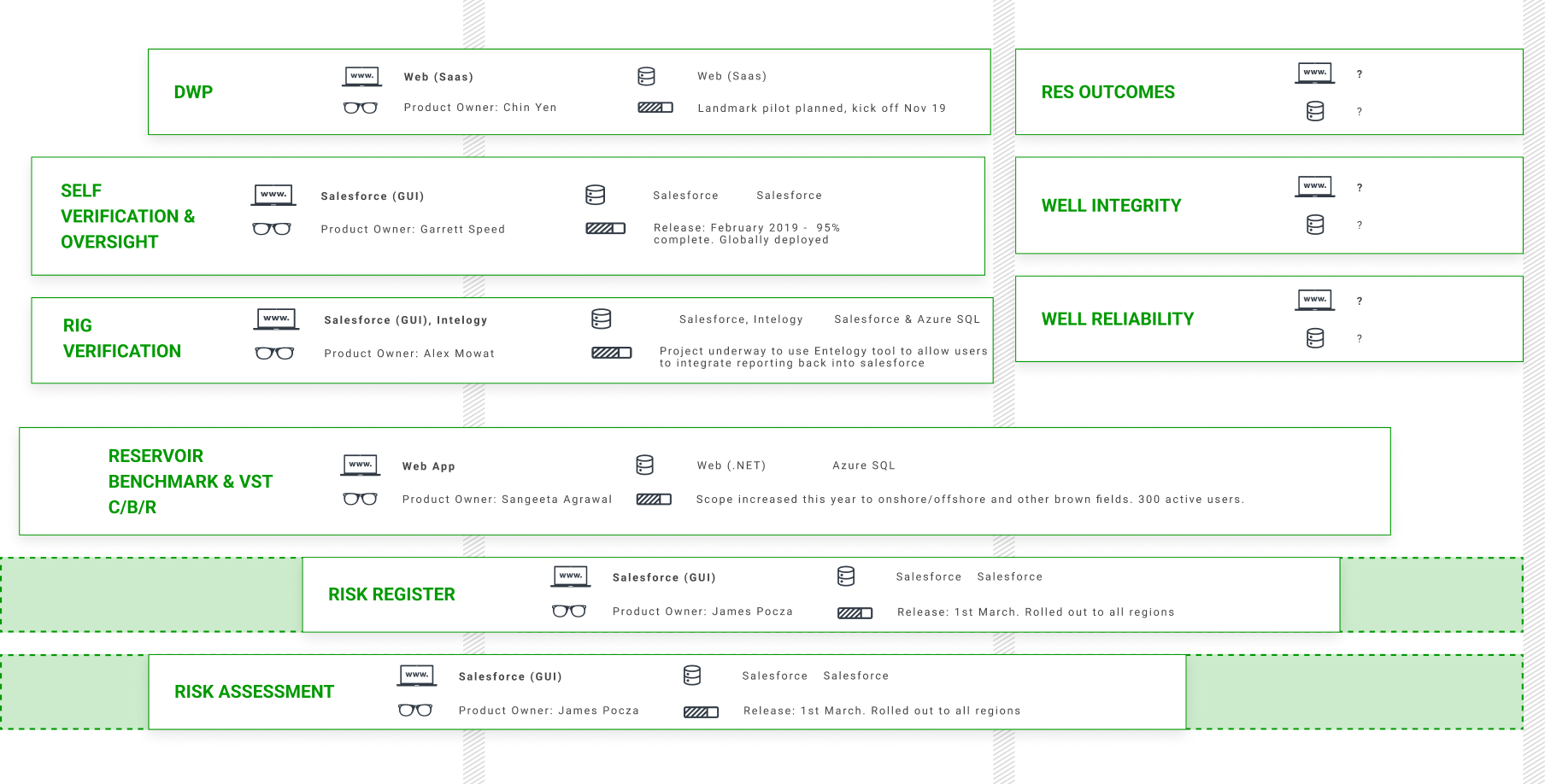
Service Blueprint was a critical anchor deliverable, providing the clarity BP needed to drive its digital transformation.
Map of the world, lay of the land.
BP was undergoing a major digital transformation, bringing in world-class agencies to modernize how products were built. Many of the newly appointed Product Managers came from geology rather than technology, leading to products shaped by internal bias and designed as if the PMs themselves were the end users. The result was significant duplication—multiple systems delivering the same functionality on different tech stacks.
Our mandate was to map the full product landscape across the user journey and clearly illustrate where fragmentation existed, demonstrating the need for a unified, strategic change.
Outcomes
Mapping the Service Blueprint became the cornerstone of the project’s success. It aligned previously disconnected stakeholders and gave BP clear visibility into which problems to prioritize—and which legacy technologies to retire.
This was the point in the engagement where our team shifted from being an external agency to becoming a true strategic partner to BP.
SERVICES
Product Design
User Research
Design Strategy
Stakeholder management
UX Design
DELIVERABLES
Service Blueprint
Desktop experience
TEAMS INVOLVED
BP
ThisPlace