LABSTER
Hands On Science, anywhere
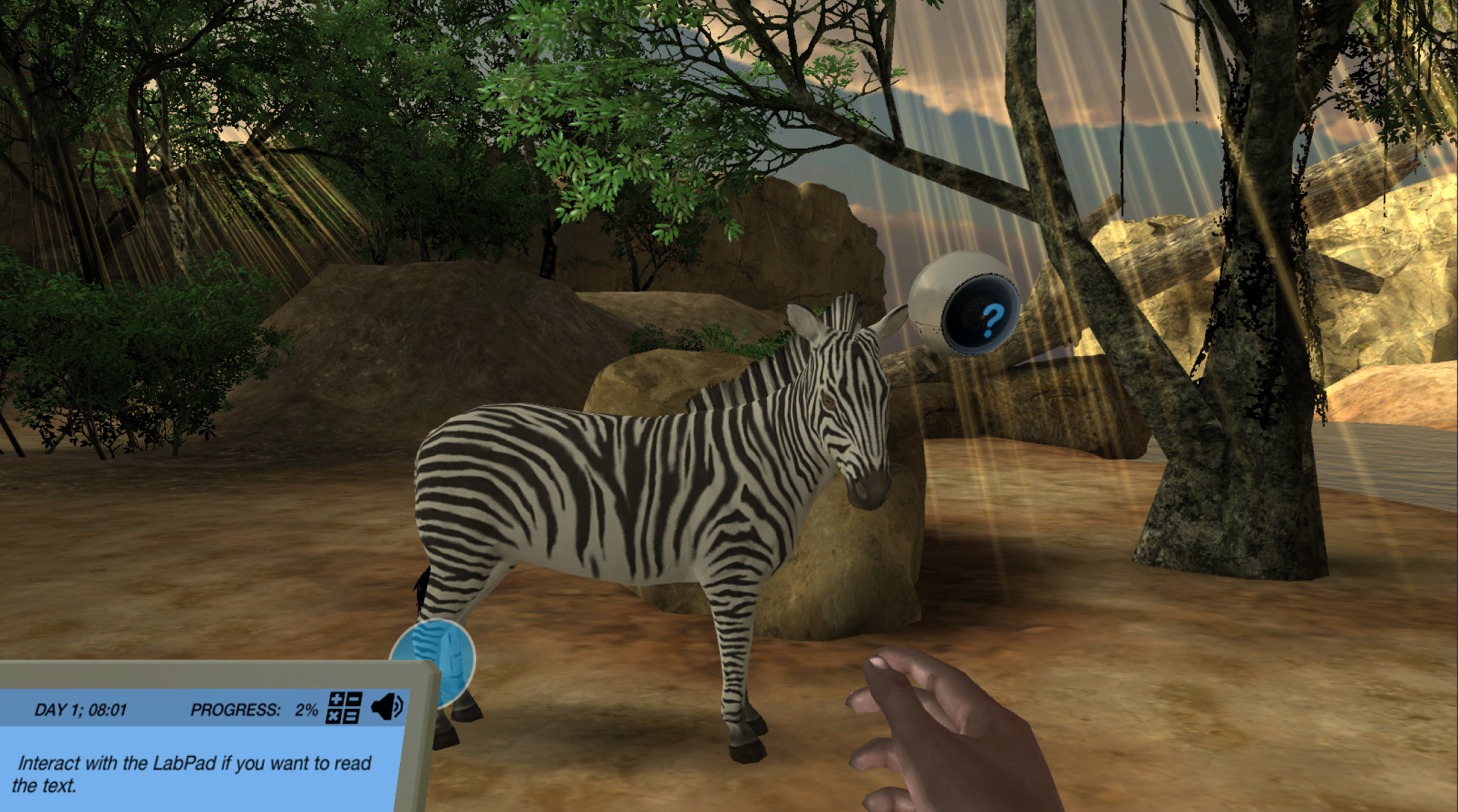
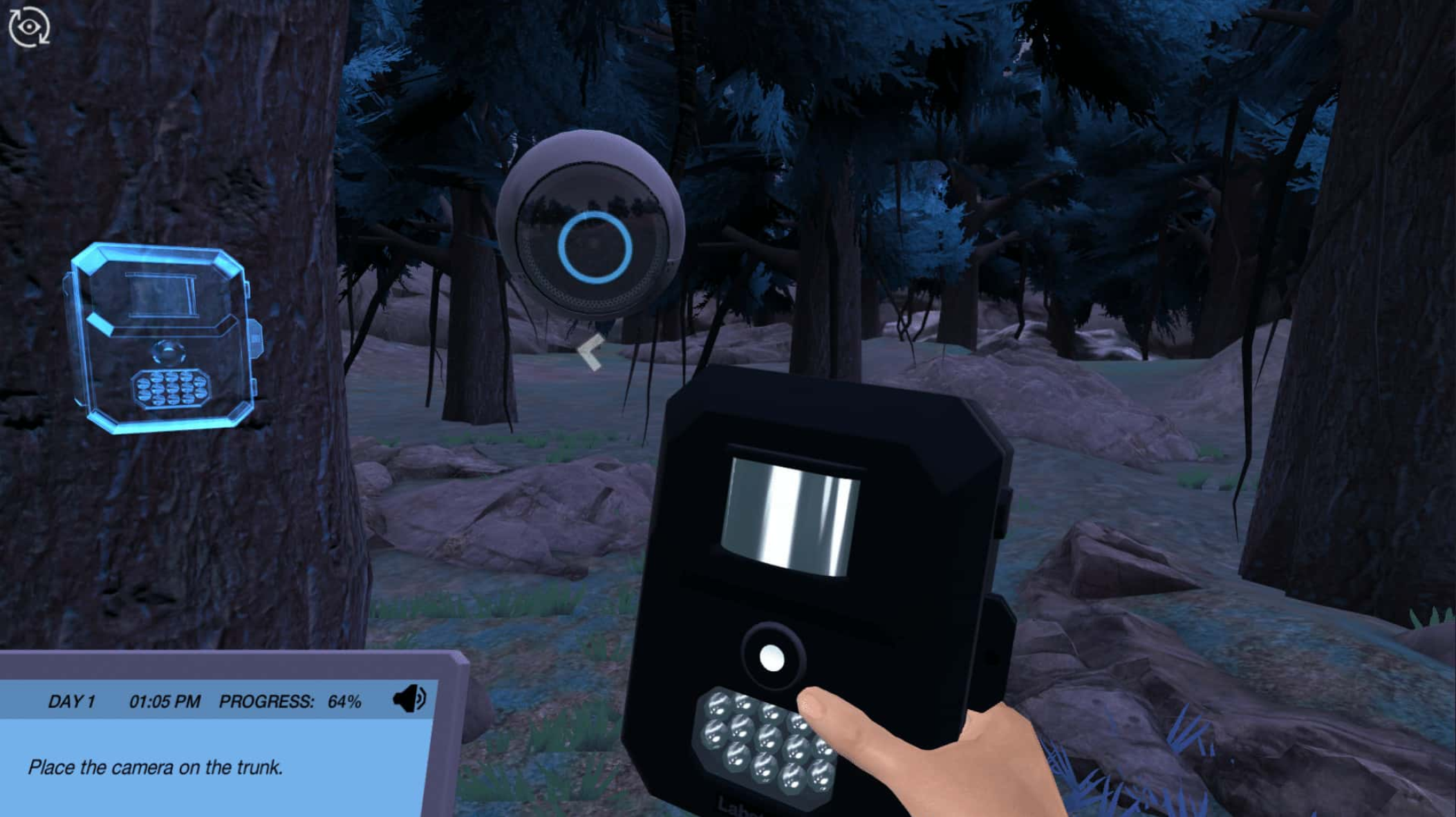
Labster came after my time at BP, and I jumped at the chance to give back to science and step into EdTech for the first time. My mission was to give students in India a virtual reality science lab in their pocket, even on low-end devices.
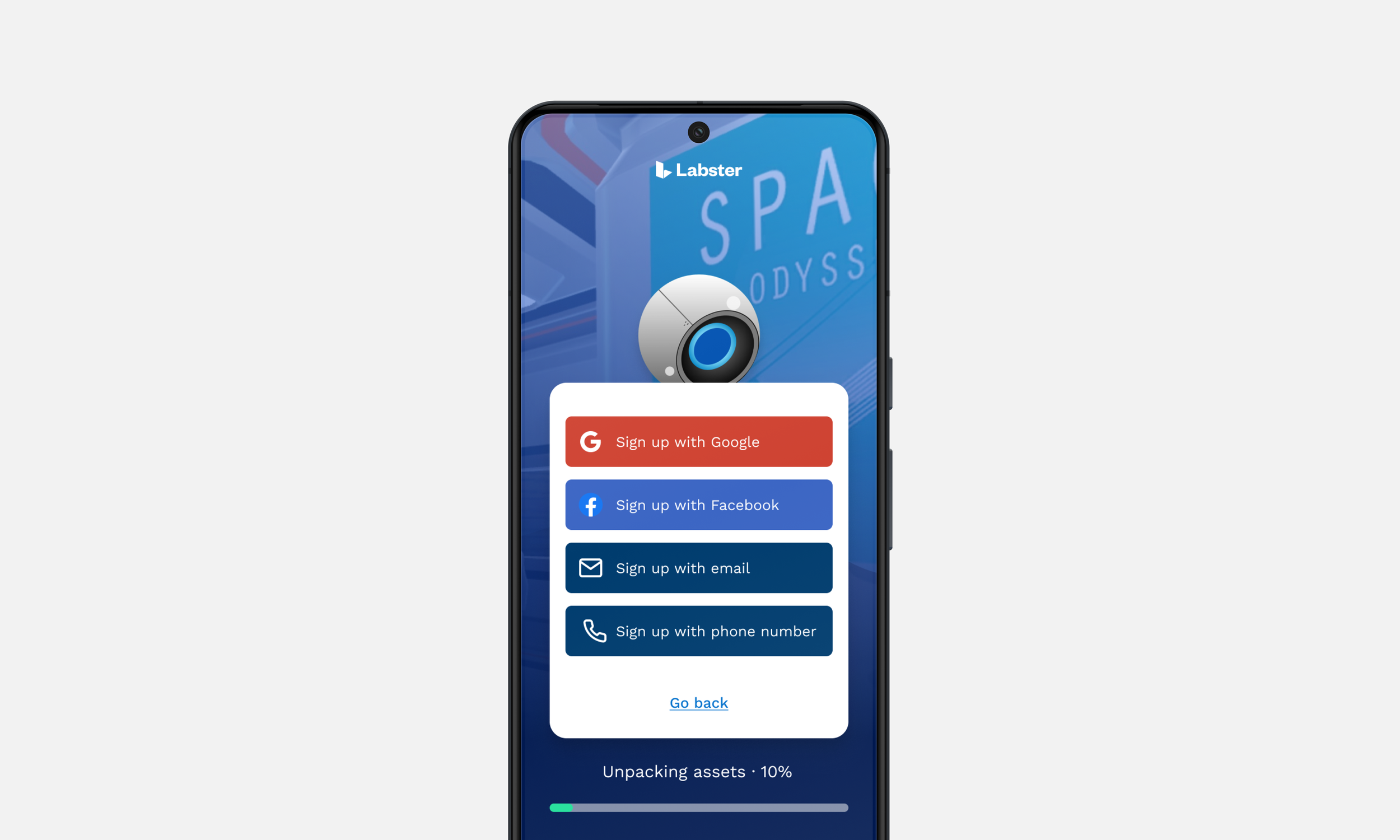
98% Android
Most students in India used low-end Android devices, so I swapped my iPhone for an old Xiaomi to experience their limitations first hand. We had to make sure the virtual labs ran smoothly and loaded quickly on those phones. Fortunately, data in India was incredibly affordable, so bandwidth and speed weren’t major concerns.
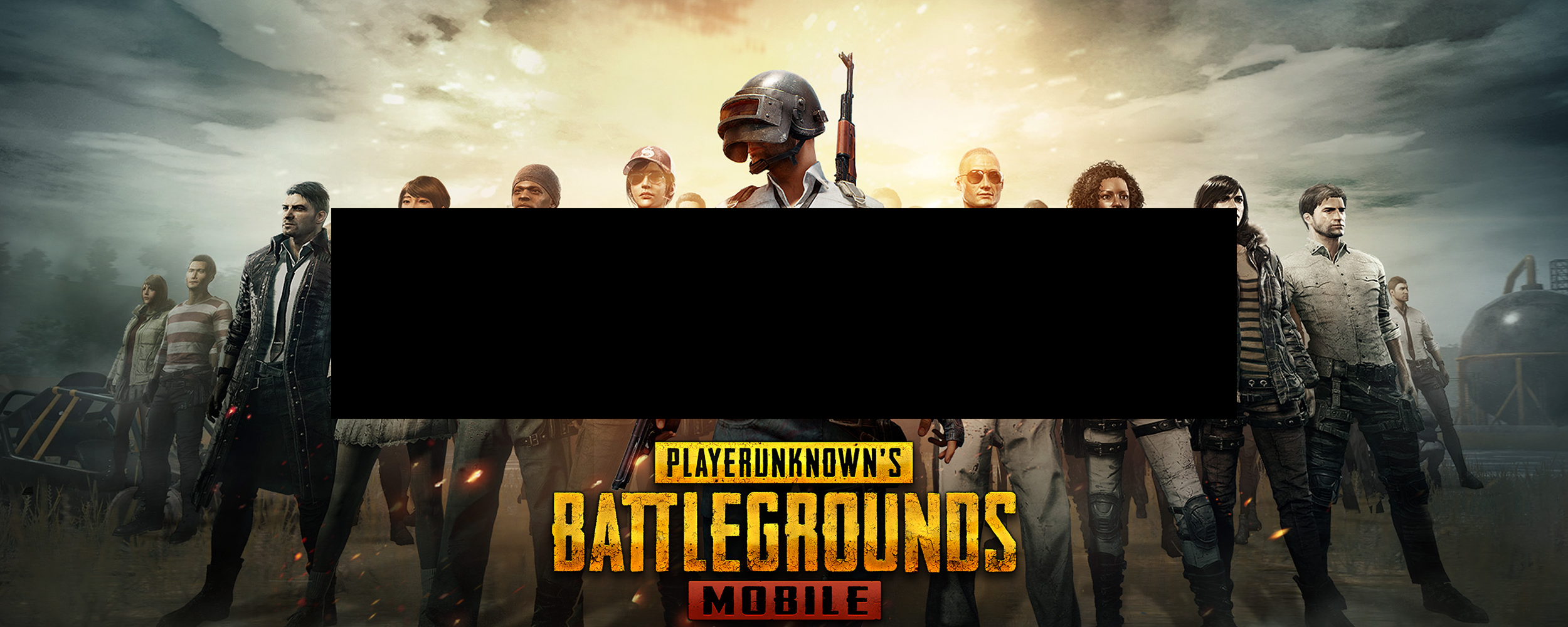
Fun fact: we were competing with PUBG Mobile, one of India’s most popular games—kids were even getting their phones confiscated in class.
Our lovely Dr One.
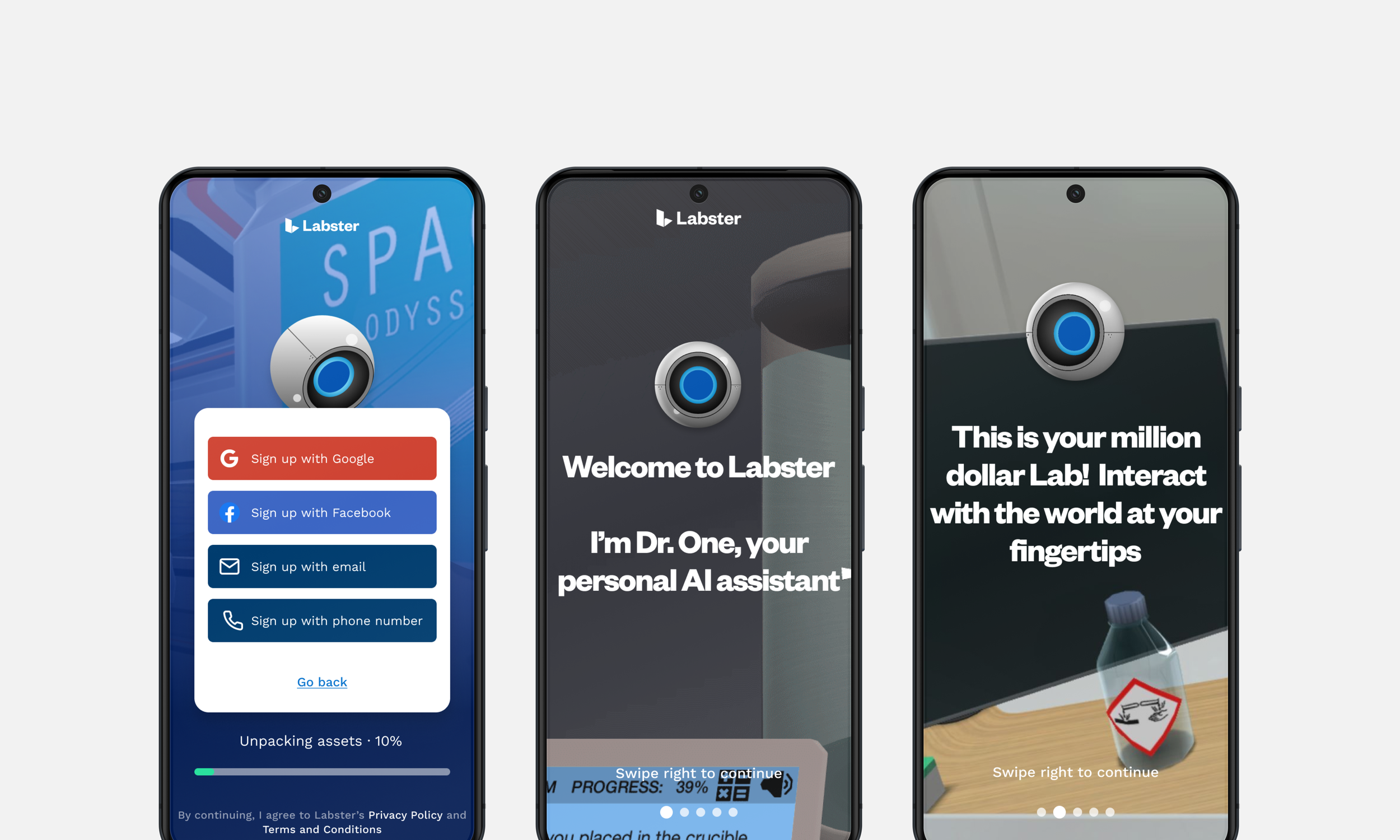
We used the company mascot, Dr One, as an in-app guide—users could tap the drone to trigger animations and get feedback tailored to their progress.
We also leaned on emotion to reinforce achievement throughout the lessons. Since Dr One was central to the desktop simulations, it made sense to bring the character into the mobile experience as well.
We initially gave the app away for free, but monetisation quickly became our biggest challenge. Kids and parents were huge fans, yet generating revenue in India proved difficult. Consumer behavior showed low trust in subscription models, so we had to find a way to make the app profitable.
Holistic Experience
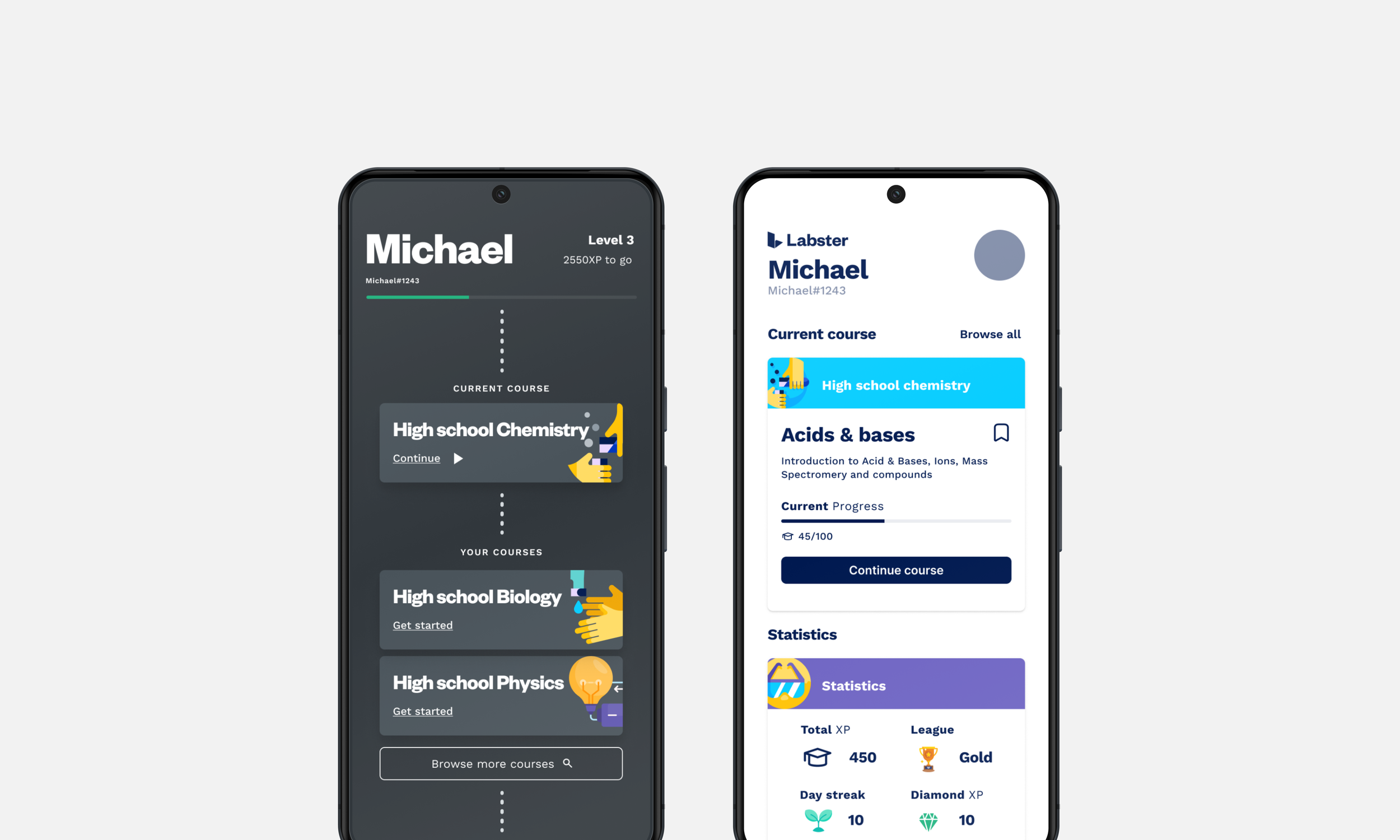
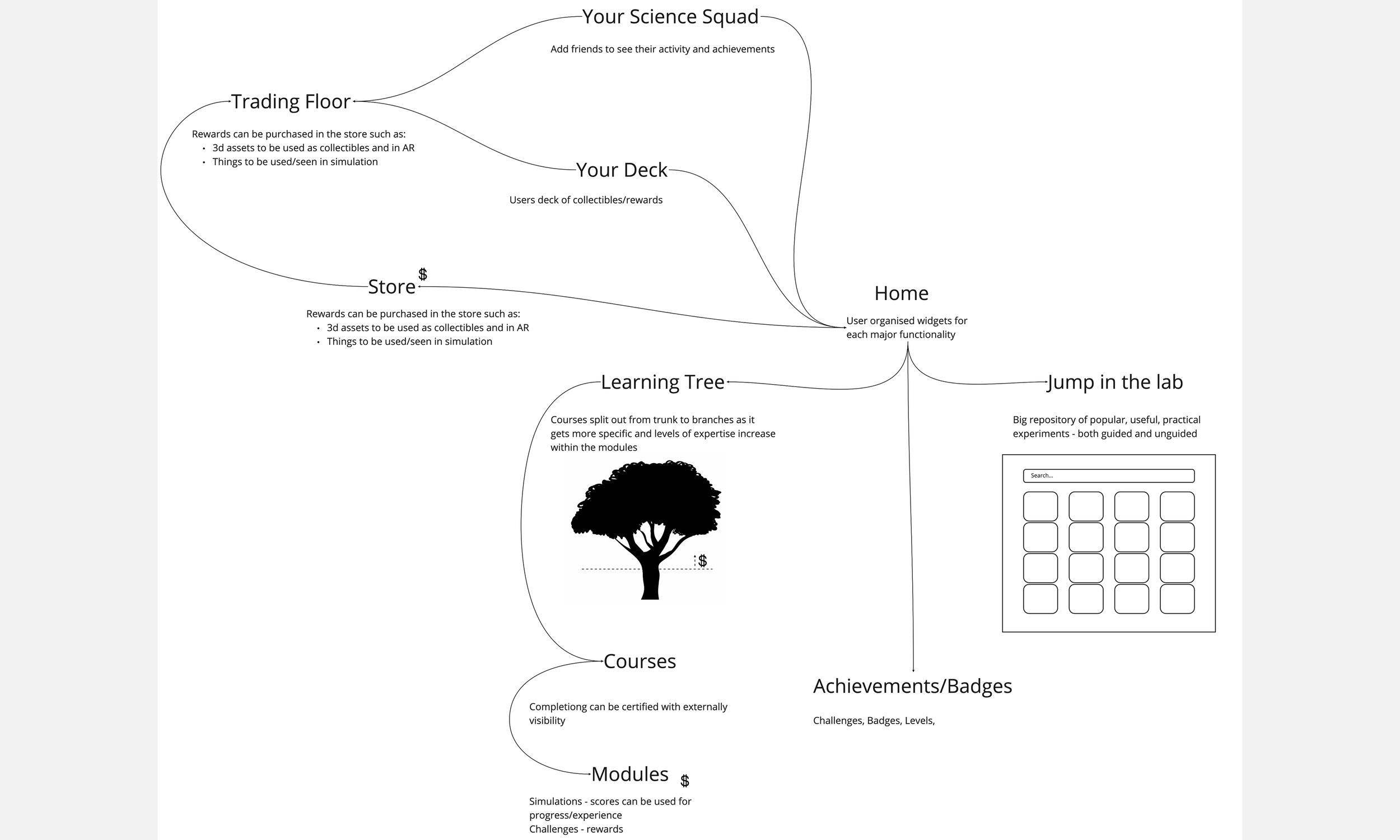
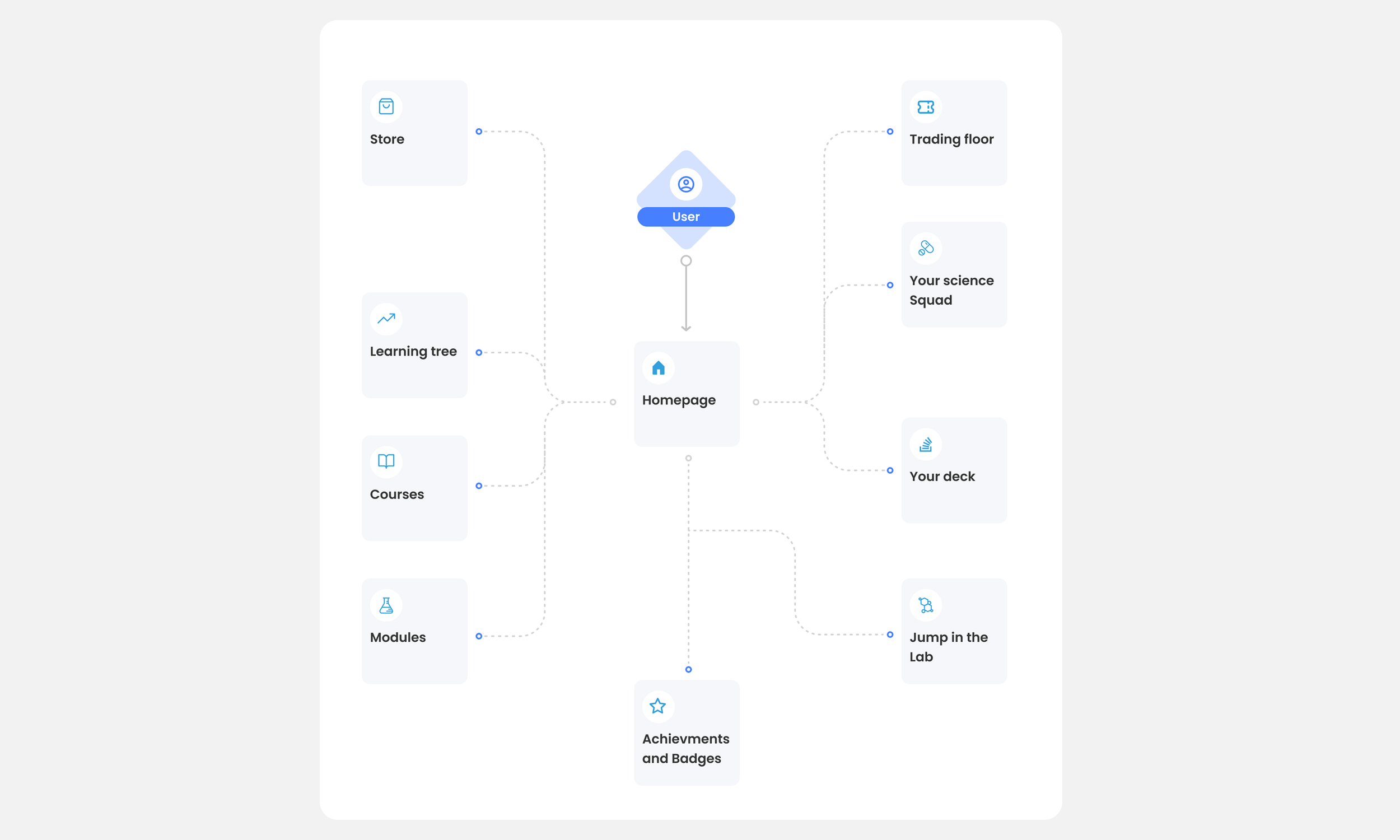
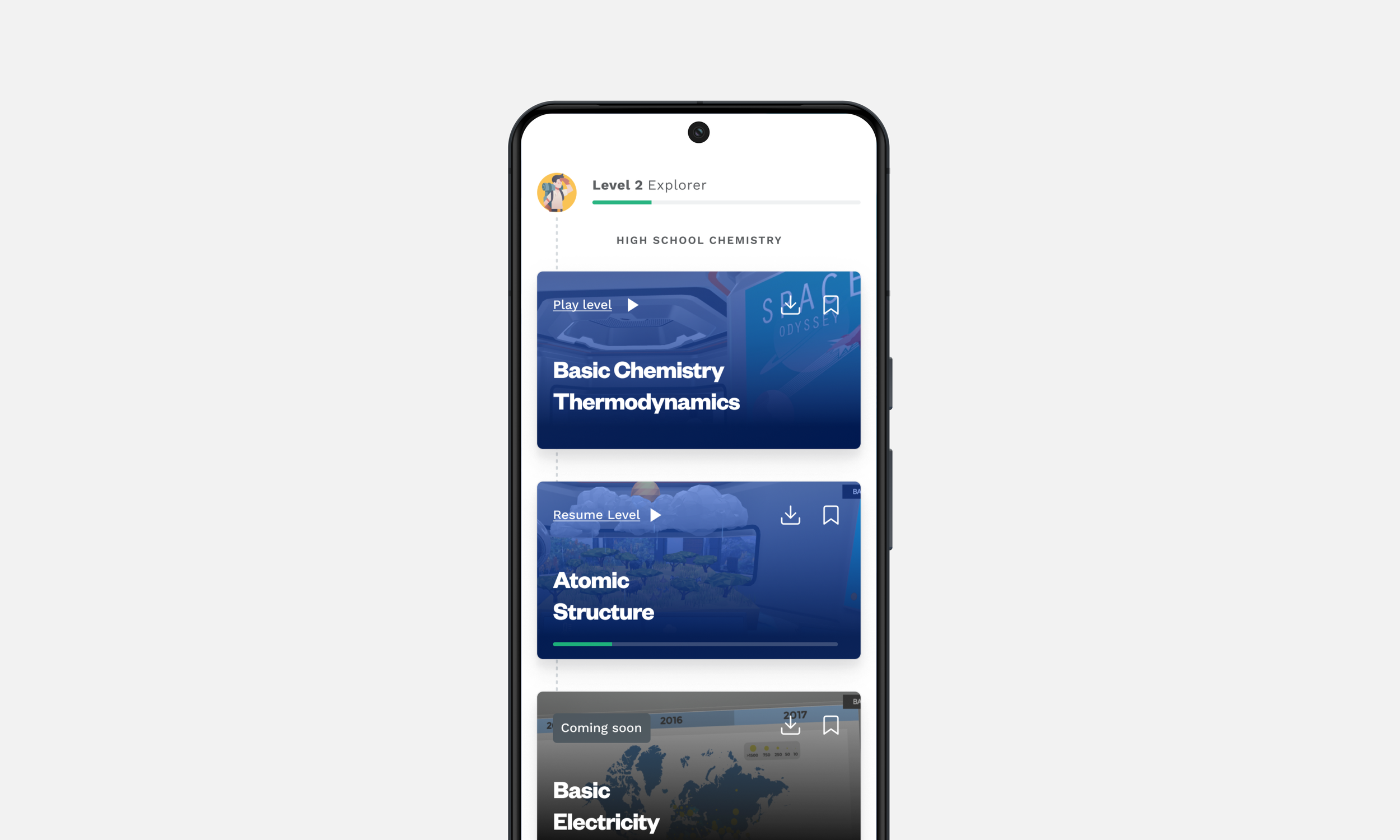
Working closely with my awesome Product Manager (big shoutout!), we sketched a holistic experience, mapping out what users would have at their disposal. We focused on making the app engaging, encouraging users to support it or visit the in-app store for collectibles and “bragging rights.” From initial sketches to the final design, the user journey was laid out clearly, with the homepage serving as the central hub for everything.
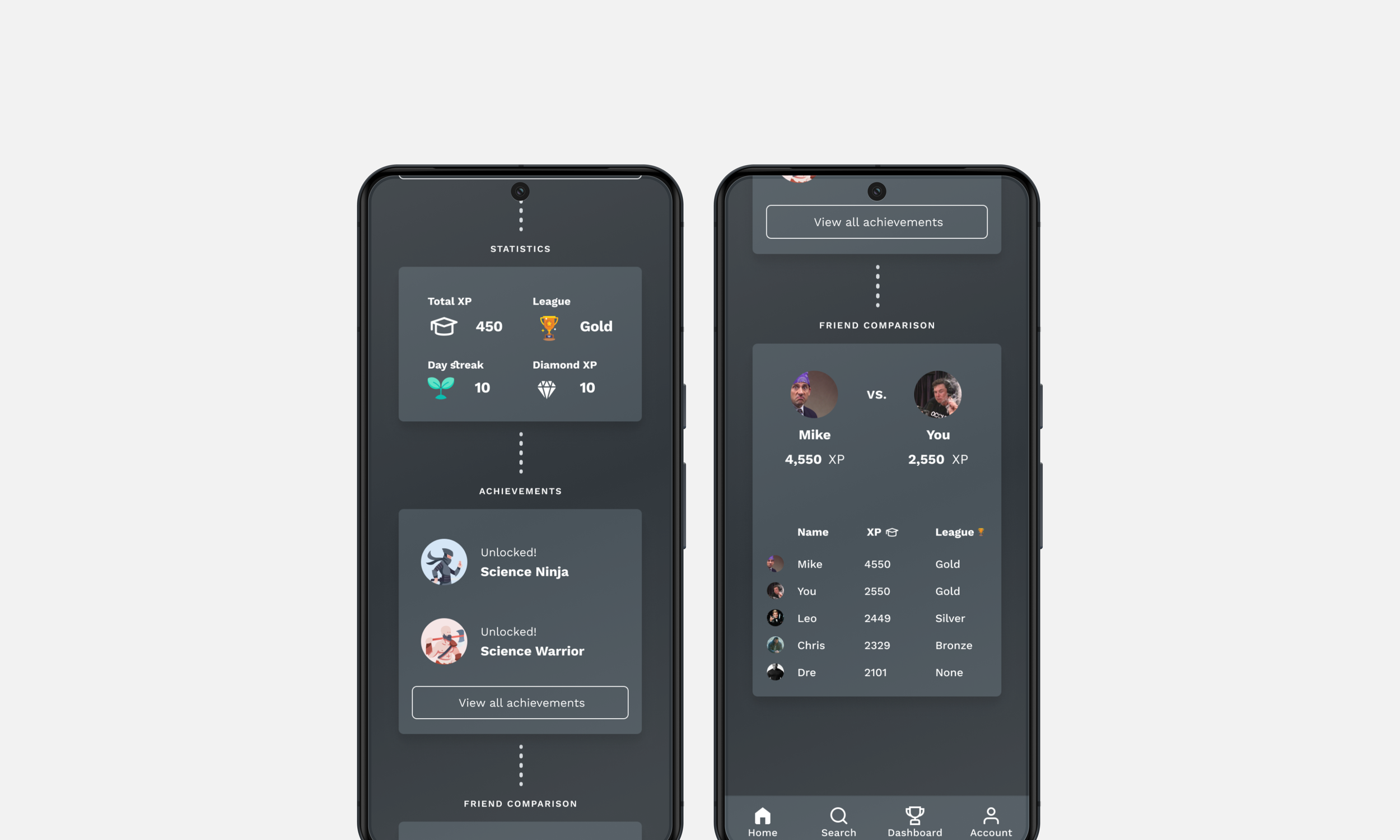
Achievements and friend comparisons added a gamified element, making the experience more engaging.
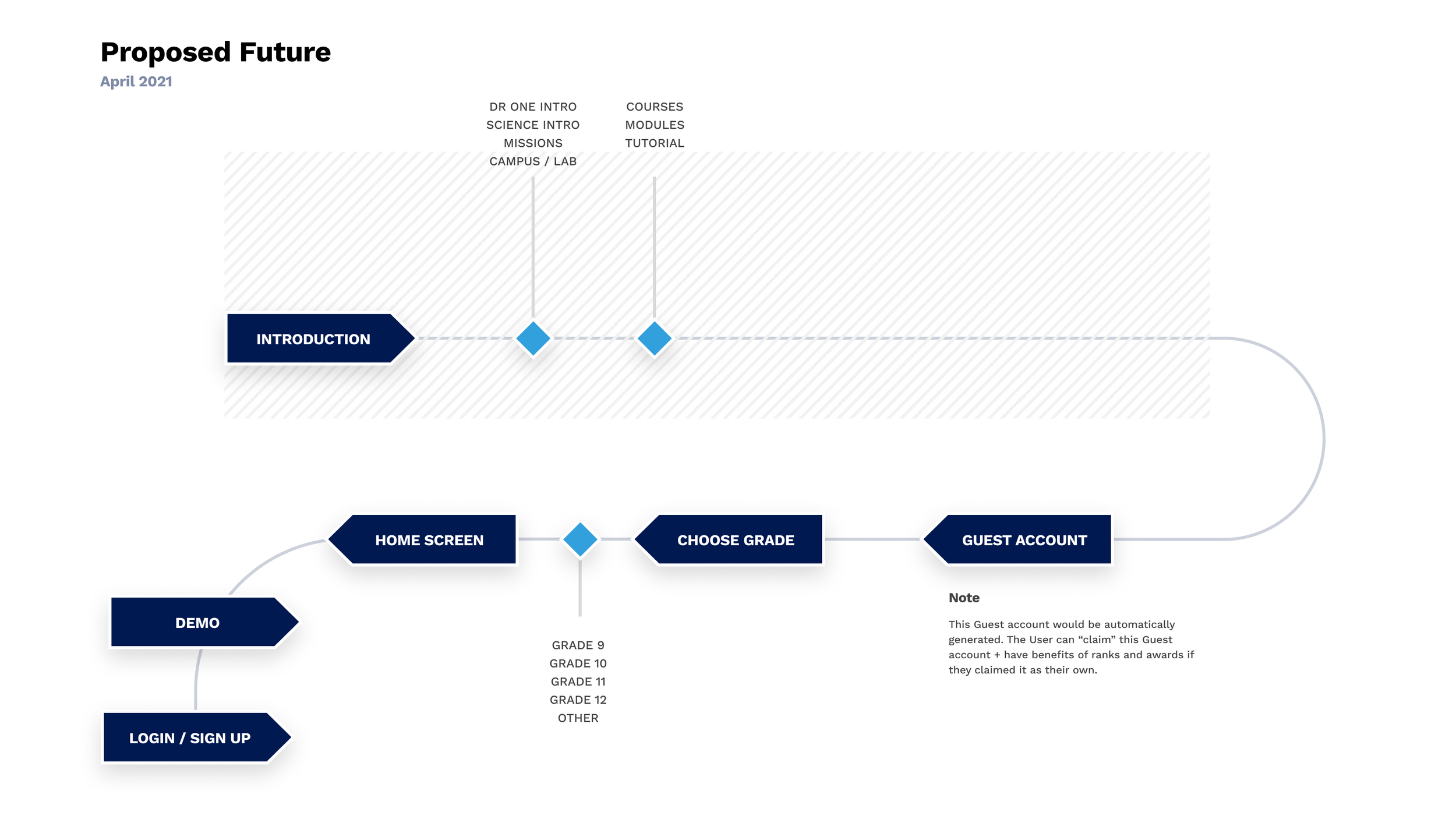
Onboarding was a challenge
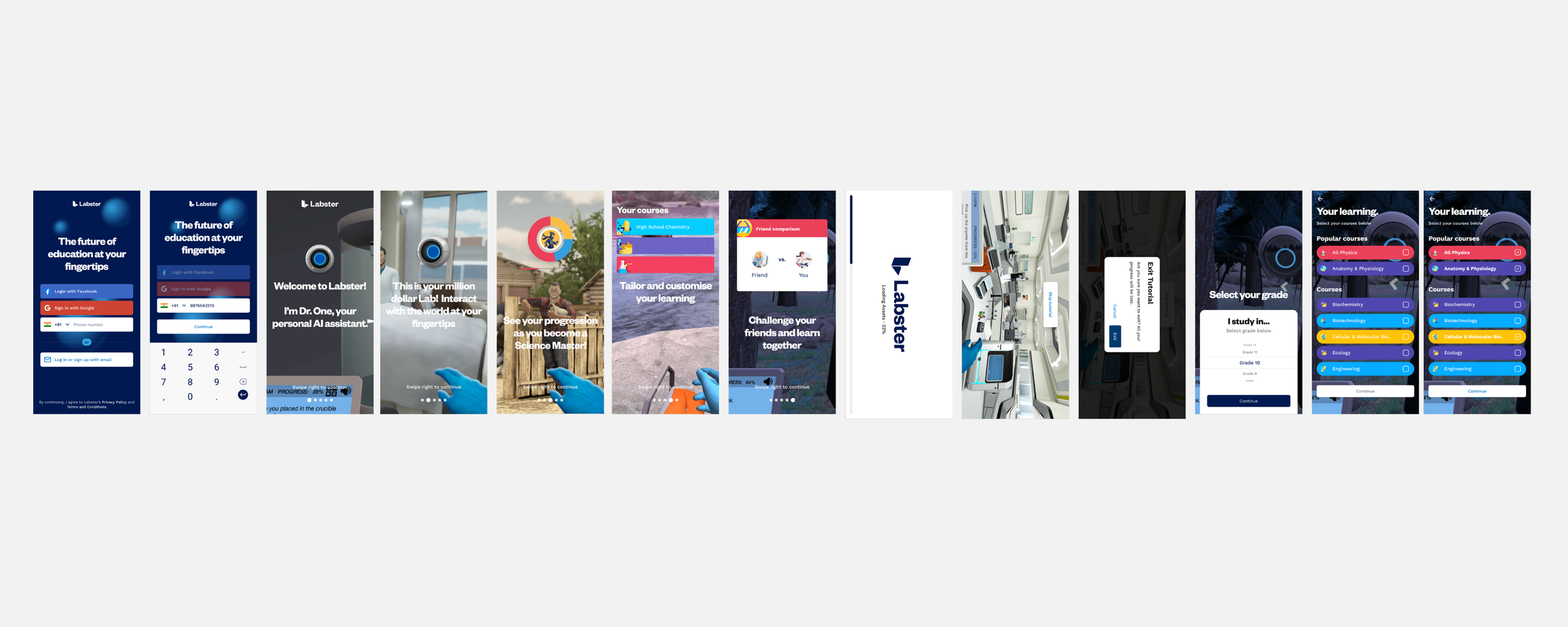
Onboarding became a major challenge for first-time users. High Day 0 uninstall rates suggested the initial experience wasn’t great—and it wasn’t. Users had to download a simulation that could take over five minutes, and we didn’t clearly communicate what was happening. We also failed to surface the app’s value, leaving users unsure of what we were offering.
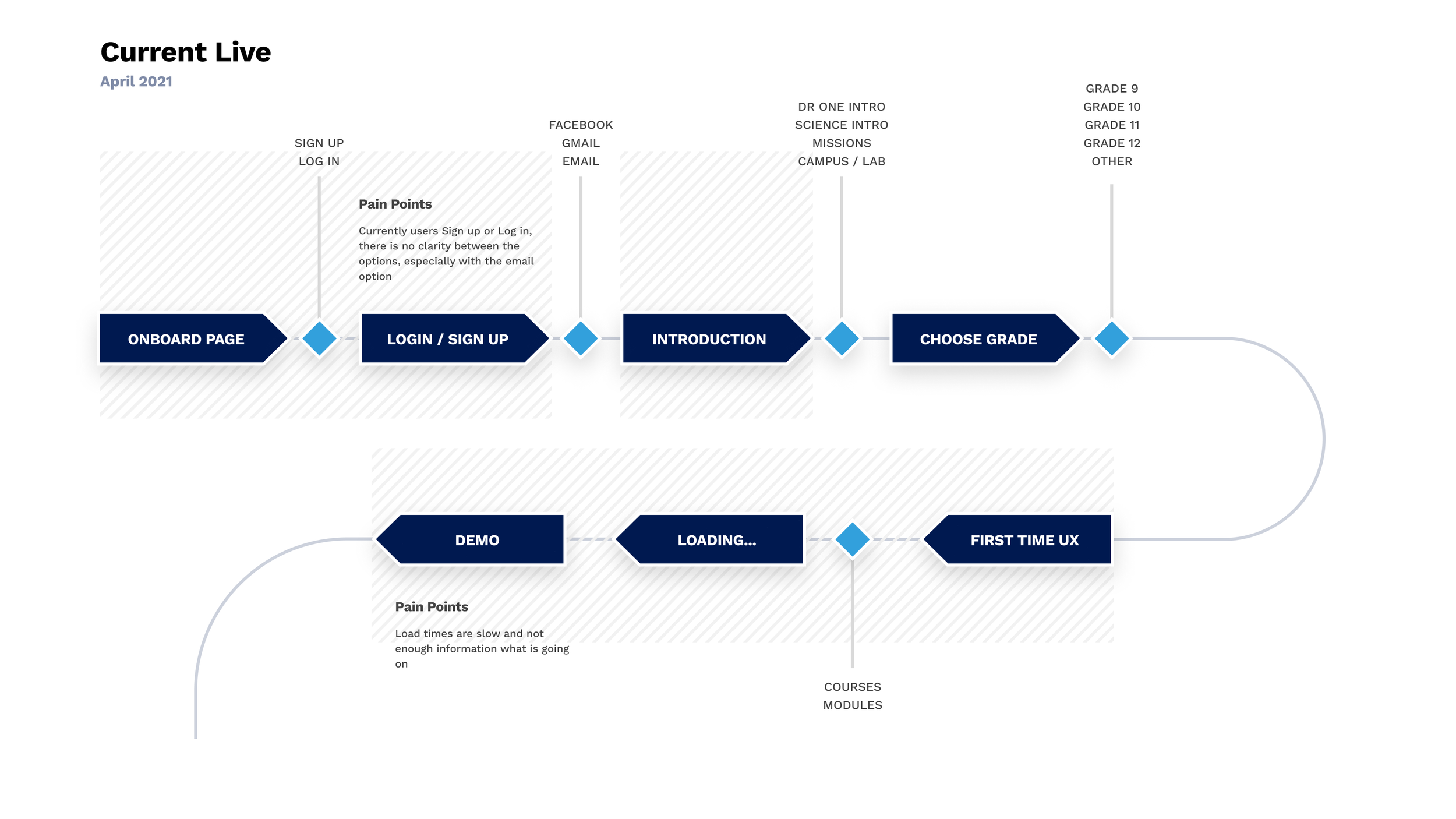
Initial sketches
The journey did become easier to understand and helped users understand and customise their experience. We also sneakily were downloading the first demo simulation whilst they were going through the steps, so it made the initial app download smaller.
Gamifying Learning
Levelling up learning
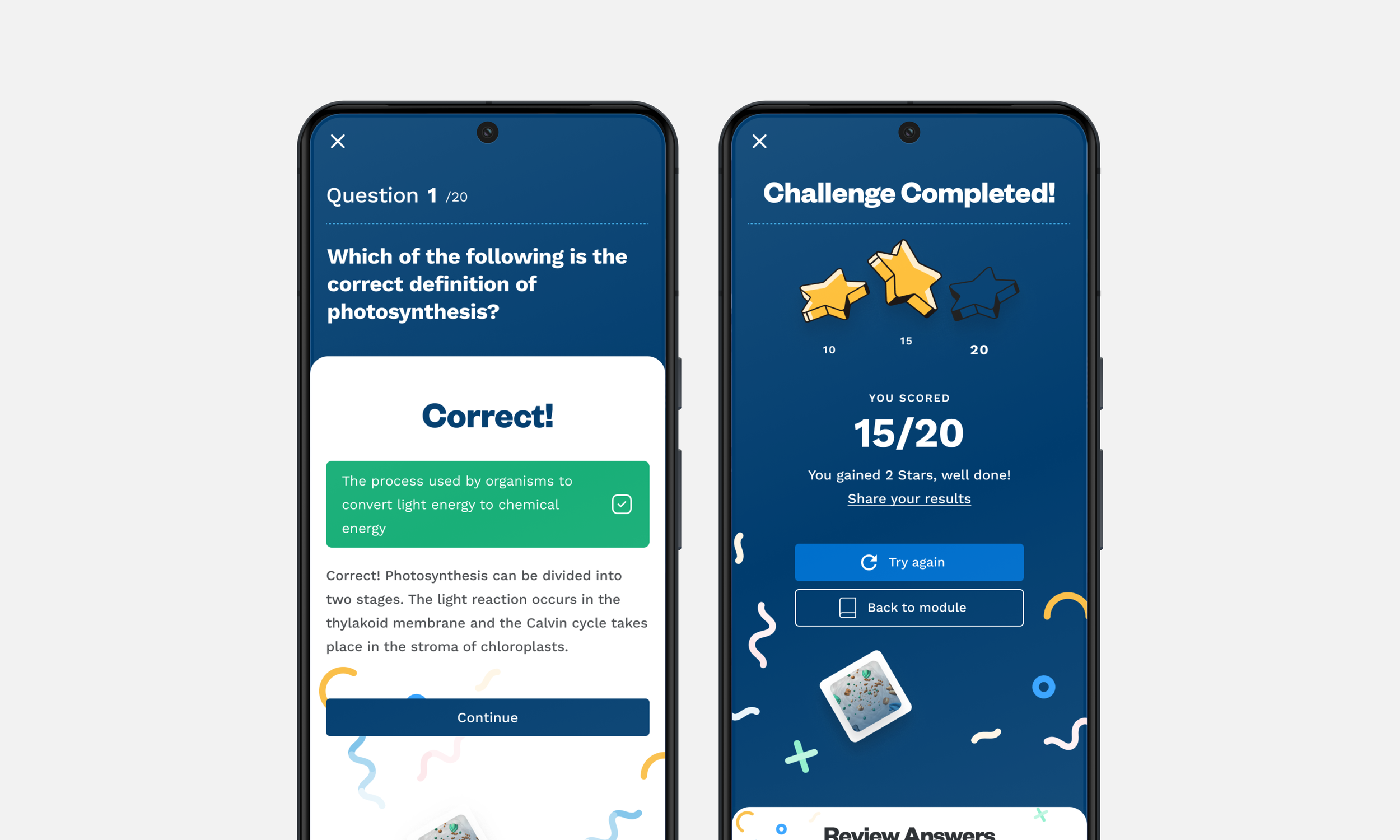
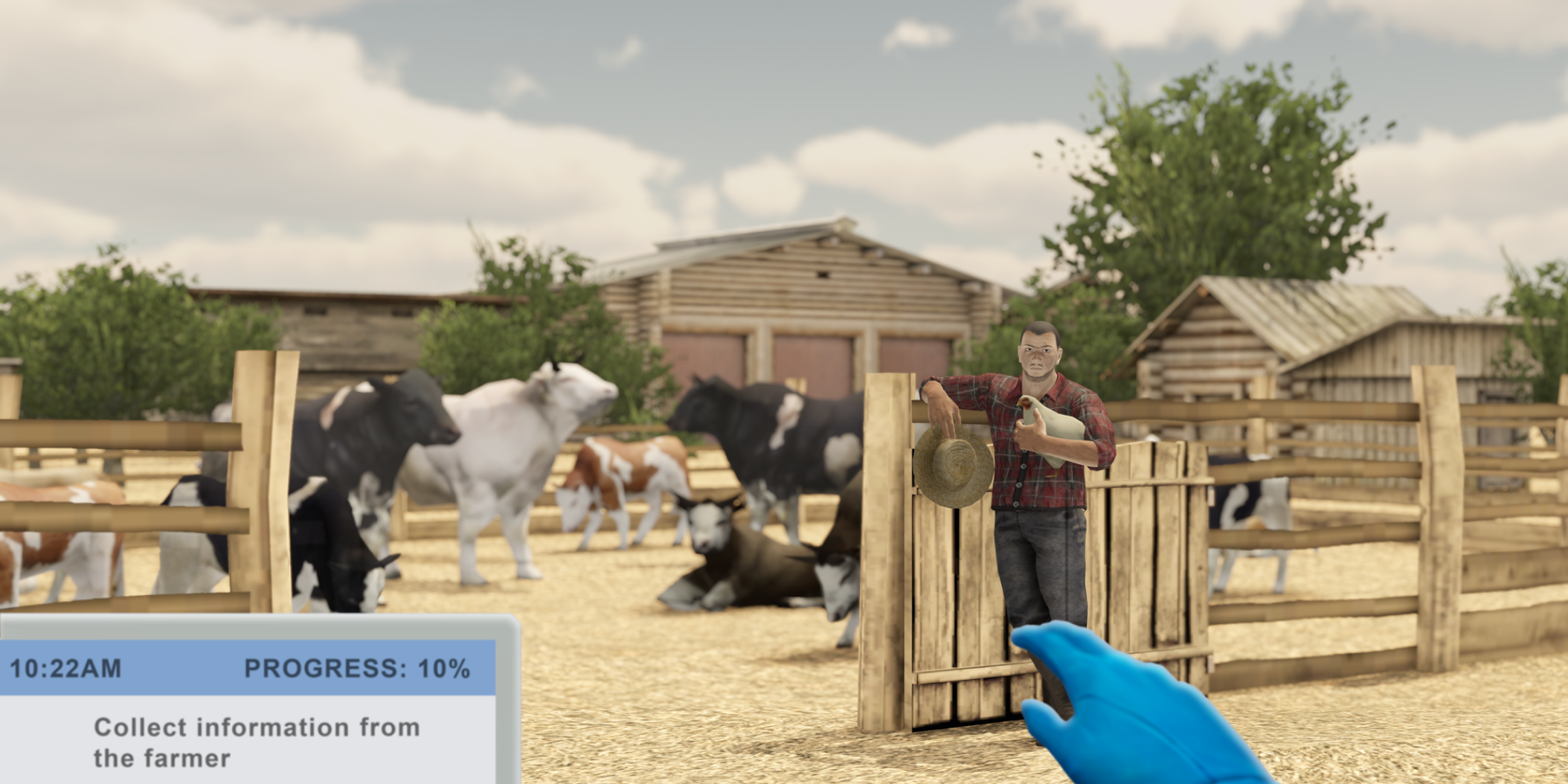
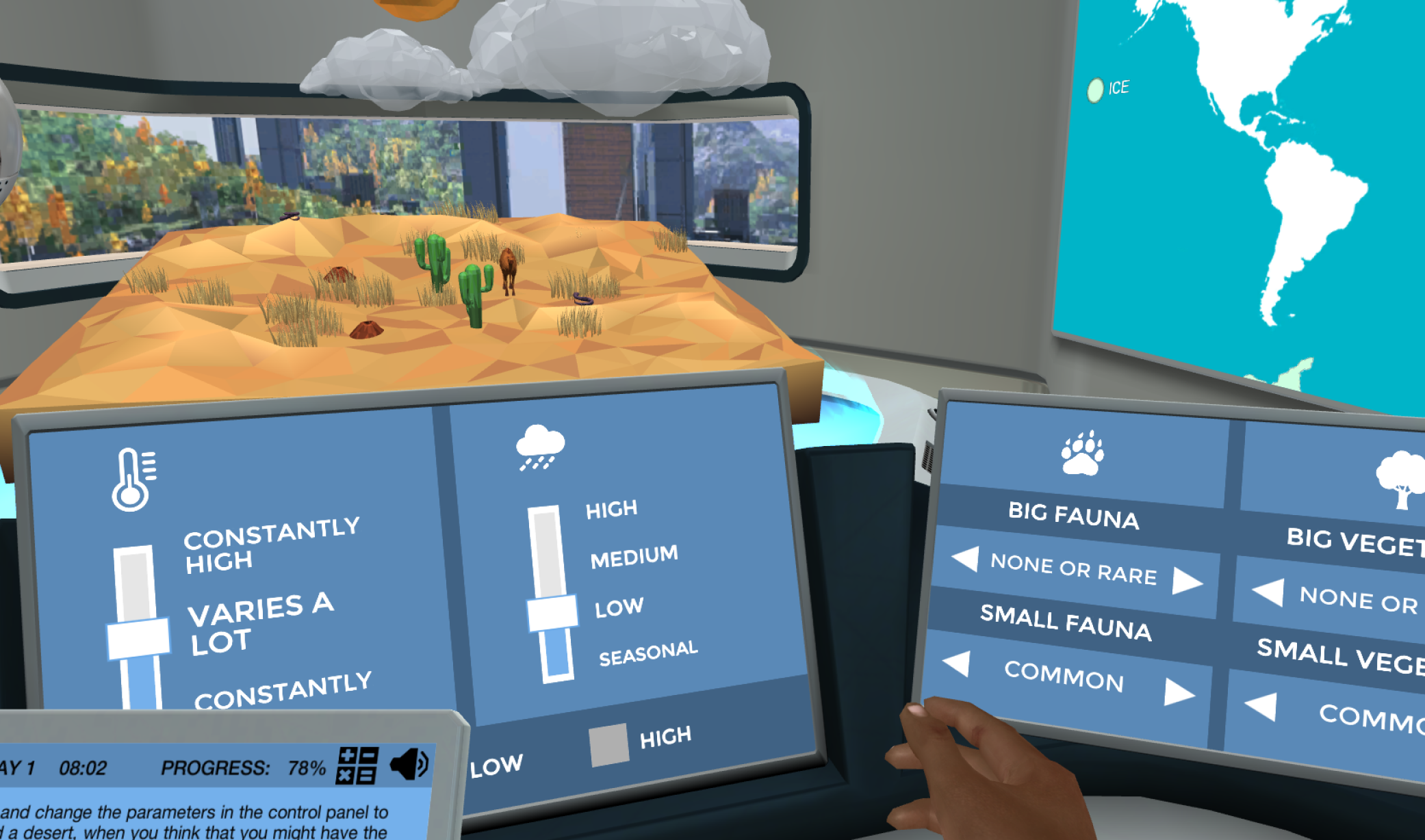
We needed to show learners that they were making real progress—and motivate them to keep going. By adding timely feedback and celebrating achievements, we made the learning journey more rewarding. Gamifying the experience significantly increased product stickiness; we even drew inspiration from games like Angry Birds, including the familiar star-rating system to reinforce accomplishment.
To design this effectively, I also immersed myself in pedagogical methodologies and explored how to translate educational principles into UX patterns that genuinely support learning.
Sadly not the happiest ending
I would love to say that the Android India App was a success, but it was not, we didn’t find any ways to monetise it without serious marketing investment, and the business needed that we focus elsewhere. I moved to trying to create Lab Simulations easier, the new user would be the fantastic Scientists we had inside Labster.
SERVICES
Product Design
User Research
Design Strategy
UX Design
Design Management
DELIVERABLES
Android App
TEAMS INVOLVED
Labster